
What Makes a Gutter Guard System 'Best'?
There's no universal "best" gutter guard because your roof, trees, and weather patterns create unique demands. A system that sheds oak leaves perfectly in Georgia might overflow during Pacific Northwest downpours or clog with pine needles in Colorado.
Contractors evaluate products based on how they perform in specific conditions they see repeatedly, not lab tests or customer testimonials on manufacturer websites.
The homeowner who thinks their guard is "maintenance-free" often means they haven't climbed a ladder in two years — but their installer may have stopped by twice to adjust pitch or blow off pollen. That's still success if you're comparing it to cleaning gutters four times annually. The realistic goal is reducing maintenance by 80-90%, not eliminating it entirely.
Performance Factors Contractors Evaluate
Professional installers test gutter guards against three non-negotiable criteria: water capacity during heavy rain, debris shedding without manual intervention, and longevity under your local weather extremes.
A guard that handles 6 inches of rainfall per hour matters little if your area averages 2 inches max. Conversely, systems rated for "any rainfall" often fail the first time you get a genuine gully-washer.
Mesh aperture size determines what gets through versus what stays on top. Micro mesh (0.01-0.02 inch openings) blocks shingle grit and pine needles but can trap pollen and create a surface for organic buildup. Larger perforations (0.04-0.06 inch) shed debris faster but let finer particles into your gutters. Contractors match the mesh to your tree species — maple and oak leaves need different solutions than pine straw.
Expansion and contraction matter more than most homeowners realize.
All-metal systems (aluminum or stainless steel) handle temperature swings without warping, while vinyl and plastic versions can crack in freezing climates or sag in summer heat. You'll see contractors in fire-prone regions exclusively install products meeting ASTM E2768 and E84-19b standards, which test for flame spread resistance for at least 30 minutes.[2] California's wildland-urban interface areas legally require WUI-compliant gutter coverings under Building Code 7A.[1]
Pro Tip: Temperature extremes affect gutter guard performance more than most marketing materials admit. If you live where winter temperatures regularly drop below 20°F or summer heat exceeds 95°F, prioritize all-metal construction. Plastic and vinyl systems that work perfectly in moderate climates become liability risks in extreme conditions.
Why Installation Quality Matters More Than Brand
You can buy the highest-rated gutter guard on the market and watch it fail within months if installed incorrectly.
Gutters need a proper slope with the rear edge 1 to 1.5 inches higher than the front to prevent water pooling.[3] A guard installed level — even a premium micro mesh — lets debris stick because water doesn't flow fast enough to self-clean the surface.
One retired engineer installed a top-tier micro mesh system and found small areas where pollen and leaves accumulated after a year because the angle was slightly off. His contractor adjusted it in 15 minutes during a warranty visit. That small pitch correction made the difference between a system that needed seasonal cleaning and one that worked as promised.
Fastening method affects longevity. Hidden hangers keep guards level and prevent the wavy appearance that causes water to pool in low spots. Clip-on retail systems tend to tilt over time as hangers shift, creating debris traps.
Contractors avoid products that rely on adhesive strips or friction fits because they separate during ice expansion or high winds.
Damaged gutters doom any guard system. If your existing gutters sag, leak at seams, or have improper pitch, the guard amplifies those problems by adding weight and restricting access for future repairs.[3] Professional installers assess gutter condition first and refuse to install guards until structural issues are corrected.
Top Gutter Guard Systems Contractors Actually Install
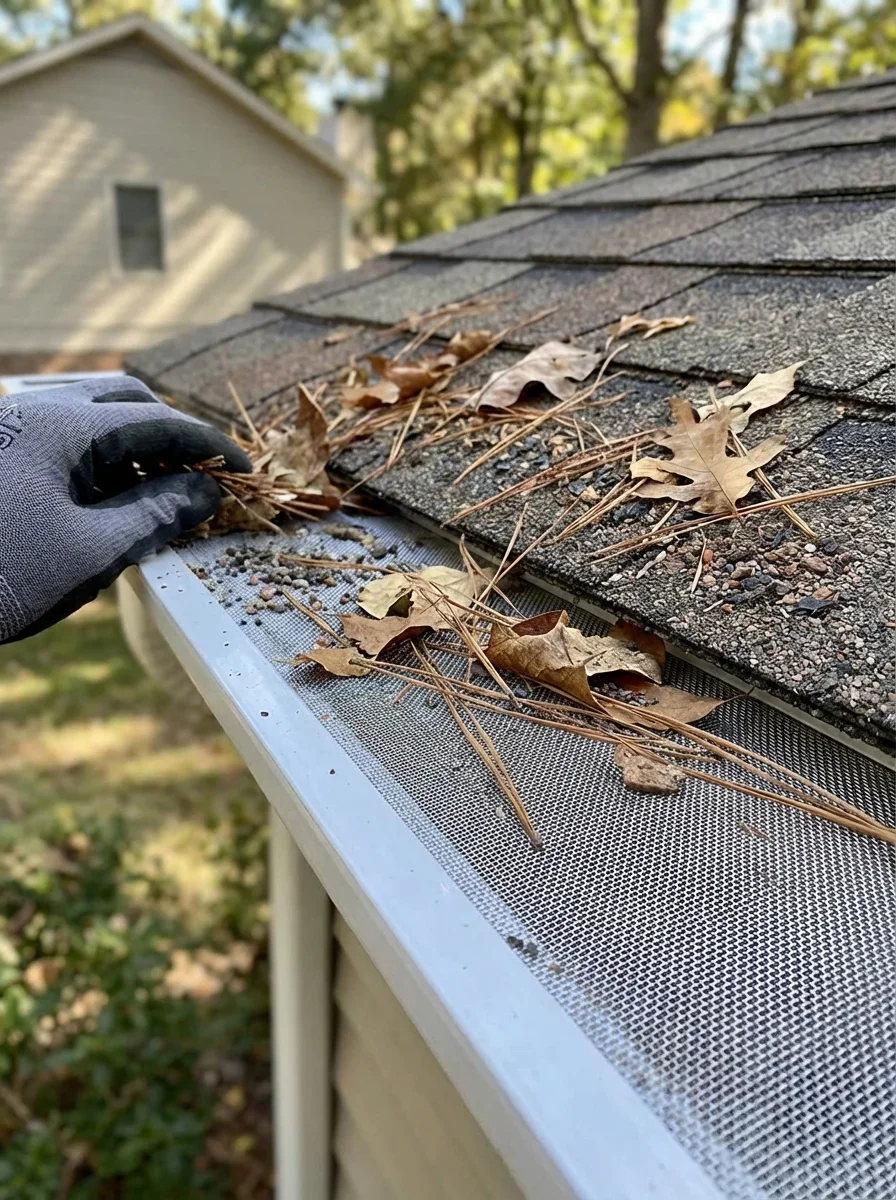
The systems contractors return to repeatedly aren't always the ones with the biggest advertising budgets. They're the products that minimize callback visits and let installers stand behind their warranties without losing money on service calls.
These preferences shift by region based on local tree species, rainfall patterns, and building codes.
Micro Mesh Systems: The Professional Standard
Micro mesh has become the default recommendation from contractors working in areas with dense tree coverage or strict fire codes. The fine screen blocks nearly everything except water, making it effective for homes surrounded by oaks, maples, or mixed hardwoods that drop leaves, helicopters, and acorns.
Stainless steel mesh handles the most extreme conditions — UV exposure, ice, and wildfire embers — without degrading.
Installation quality separates contractor-grade micro mesh from retail versions. Professional systems mount beneath the first row of shingles and maintain forward pitch for water flow. DIY alternatives often sit on top of gutters without proper slope, which is why you'll see homeowners report debris accumulation after just one season even though the product claims superior performance.
The catch with micro mesh is that it requires the most precise installation.
A screen pitched too steeply shoots water over the gutter during downpours. Too flat, and surface tension fails — water sheets off while pollen creates a film that blocks flow. Experienced installers adjust pitch based on roof slope and typical rainfall intensity in your area.
You'll pay $15-$30 per linear foot installed for quality micro mesh, but contractors report the lowest callback rates with these systems. Homeowners consistently describe going four years without touching their gutters, though some need occasional blowing off of pollen or light debris in spring. That's maintenance reduction, not elimination, but it beats quarterly cleanings.
Reverse Curve and Surface Tension Systems
Reverse curve guards use a curved hood to direct water into a narrow slot while leaves slide off the front. The physics works well in theory, and these systems handle large debris like oak leaves effectively.
Contractors install them primarily on homes with steep roof pitches and mature trees that drop leaves in concentrated fall periods.
The downside is performance during heavy rain. Water traveling fast down a steep roof can overshoot the intake slot and cascade off the front, defeating the purpose of having gutters. Shingle grit and pine needles also tend to stick to the curve's nose, requiring periodic brushing that negates some maintenance savings. You'll rarely see contractors recommend reverse curve for metal roofs or homes in high-rainfall regions.
Surface tension systems rely on water's adhesive properties to cling to the guard's curve and roll into the gutter while debris falls away. They work until they don't — pollen, roof oils, or organic films break surface tension and cause water to sheet off.
Contractors who install these products typically target customers with minimal tree coverage and moderate rainfall.
Price varies widely, from $10 to $50 per linear foot depending on brand and material. The systems with the most aggressive marketing often sit at the high end of that range, but contractor preference doesn't correlate with price. You'll hear installers say they choose products based on regional performance, not profit margin.
| Guard Type | Best For | Weaknesses | Price per Linear Foot |
|---|---|---|---|
| Micro Mesh | Dense tree coverage, fire zones, heavy debris | Requires precise installation, pollen buildup | $15-$30 |
| Reverse Curve | Large leaves, steep roofs, seasonal debris | Overshoots in heavy rain, catches fine debris | $10-$50 |
| Basic Screen | Light coverage, budget installations | Lets through small debris, minimal protection | $3-$8 |
| Foam Insert | Desert climates, minimal rainfall | Organic growth, compression over time | $2-$5 |
Screen and Foam Systems: When They Work
Basic metal screens with larger perforations cost $3-$8 per linear foot installed and work surprisingly well in specific conditions.
Contractors use them for homes with light tree coverage, primarily as protection against large debris like branches or preventing animals from nesting in gutters. They're not a solution for pine needles or shingle grit, but homeowners who only needed occasional gutter cleaning often find they reduce maintenance enough to justify the modest investment.
Foam inserts — polyurethane blocks that sit inside gutters — get mixed reviews from contractors. The foam catches debris on top while letting water percolate through, which works briefly. Over time, decomposing leaves and organic matter create fertile soil on the foam's surface where weeds and even tree seedlings sprout.
You'll also see foam compress and shift during heavy rain, creating channels where water bypasses the gutter entirely.
Contractors rarely install foam systems themselves but encounter them frequently when called for gutter repairs. The typical scenario involves a homeowner who bought foam at a big-box store, installed it themselves, and discovered it after two seasons. That said, foam works adequately for desert climates with minimal rainfall and sparse vegetation where organic decomposition isn't a factor.
The appeal of screens and foam is cost and simplicity. If your budget caps at $500 for a full house and you're willing to inspect gutters annually, a basic aluminum screen installed with proper pitch will serve you better than ignoring the problem.
Contractors just won't warranty these products the way they do micro mesh or reverse curve systems.
How to Evaluate Contractor Recommendations
When an installer recommends a specific gutter guard, ask what percentage of their installations use that product and how many callback visits they average per year.
A contractor who installs five different systems is either serving diverse needs or chasing margins. One who focuses on two products and explains exactly why each suits different home types is showing you their real-world data.
Question their warranty structure beyond the manufacturer's coverage. A company offering lifetime labor warranty alongside the product warranty is confident the system will perform with minimal service. One that warranties parts only expects to send crews back for adjustments. You want to understand the warranty's fine print around ice dams, improper gutter pitch, and acts of nature — those exclusions reveal what actually fails.
Ask installers to explain their mounting method and pitch strategy for your specific roof.
A contractor who eyeballs the installation won't deliver consistent results. Look for references to measuring roof slope, calculating water volume based on square footage and local rainfall data, and adjusting guard angle accordingly. The installer who pulls out a level and talks about 1-1.5 inch elevation difference is thinking through the physics.[3]
Request before and after photos from previous installations in homes similar to yours — same tree types, roof pitch, gutter size. Generic portfolio shots tell you nothing. Pictures showing their work on a ranch home with pine trees matter if you have a ranch home with pine trees.
Contractors who document their projects and provide references from nearby customers are giving you verifiable evidence, not sales promises.
Questions to Ask Every Gutter Guard Installer:
- What percentage of your installations use the system you're recommending for my home?
- How many service callbacks do you average per year for this product?
- What specific warranty coverage do you provide beyond the manufacturer's guarantee?
- How will you measure and adjust the pitch for my roof slope and local rainfall?
- Can you provide references from homes with similar tree coverage and roof type?
- What prep work is included in your quote (gutter cleaning, repairs, realignment)?
- What happens if the guards fail during the warranty period?
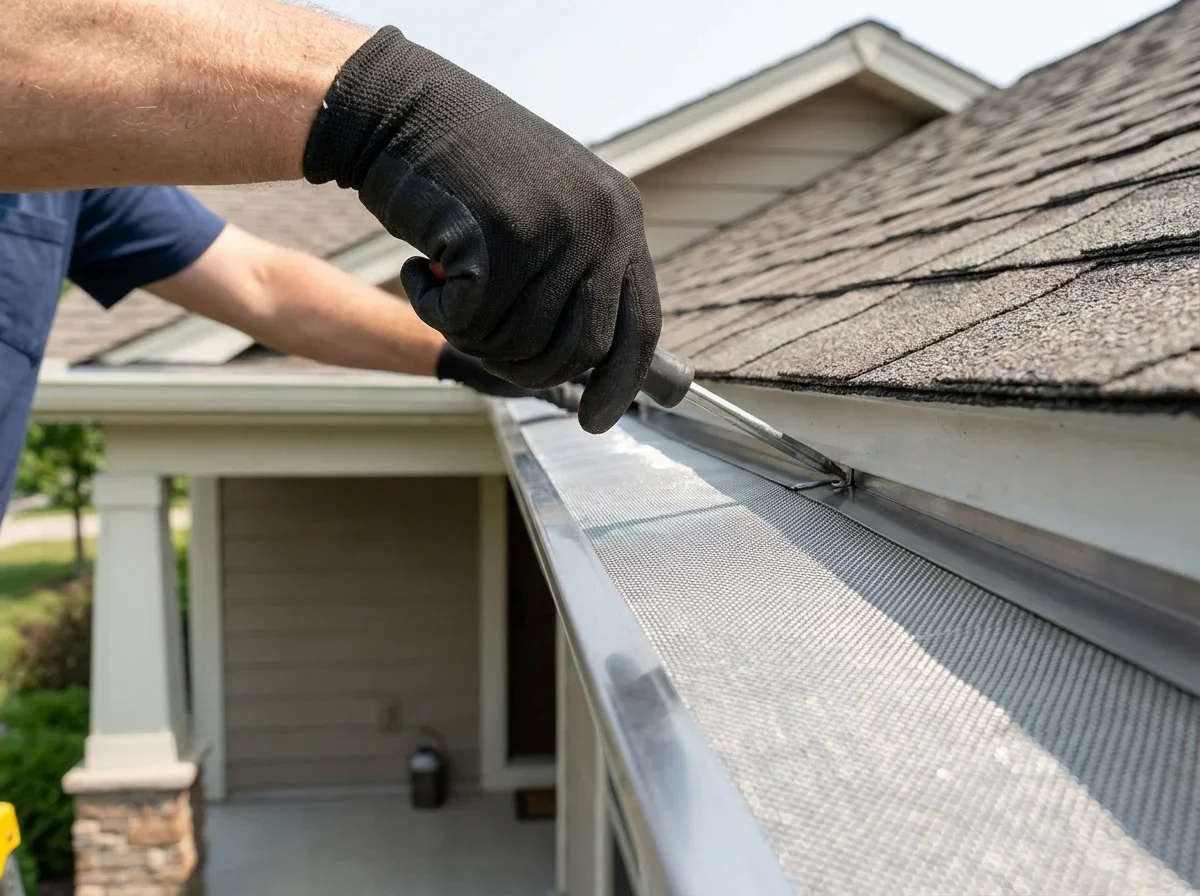
What Should Professional Installation Cost?
National averages for professional gutter guard installation run $1,200 to $3,500 for a typical single-story home with 150-200 linear feet of gutters. That range reflects material choice more than labor — micro mesh systems cost $15-$30 per foot installed, while basic aluminum screens run $5-$12 per foot.
Two-story homes add 20-40% to labor costs because of access challenges and safety equipment requirements.
Geographic location shifts pricing significantly. You'll pay premium rates in metropolitan areas where labor costs run high and contractors need commercial insurance and licensing. Rural installers often charge less but may have limited product selection because they stock what sells locally. Get three quotes to establish the baseline for your market, but don't automatically choose the lowest bid.
The cheapest quote is often from a contractor using inferior products, inadequate fastening, or skipping essential prep work like gutter cleaning and repair.
You'll see proposals that vary by $1,000 or more for the same house because one installer includes gutter realignment and seal repair while another quotes guard-only installation on your existing system. Ask every bidder to itemize prep work, materials, labor, and warranty coverage so you're comparing equivalent services.
Financing options and seasonal discounts can reduce upfront costs without compromising quality. Contractors typically offer 10-20% discounts during winter months when installation volume drops. Spring and fall are peak seasons when you'll pay full price and wait weeks for scheduling.
If your gutters aren't currently overflowing, timing your installation during slow periods makes financial sense.
Avoid companies pushing "today only" pricing or requiring large deposits before scheduling. Legitimate contractors provide written estimates that remain valid for 30-60 days and ask for deposits (typically 25-33%) only when they order custom-fit materials for your specific home. High-pressure tactics and upfront payment demands signal operations that may not complete the work or honor warranties.
Find Gutter Guard Installers Who Use Quality Systems
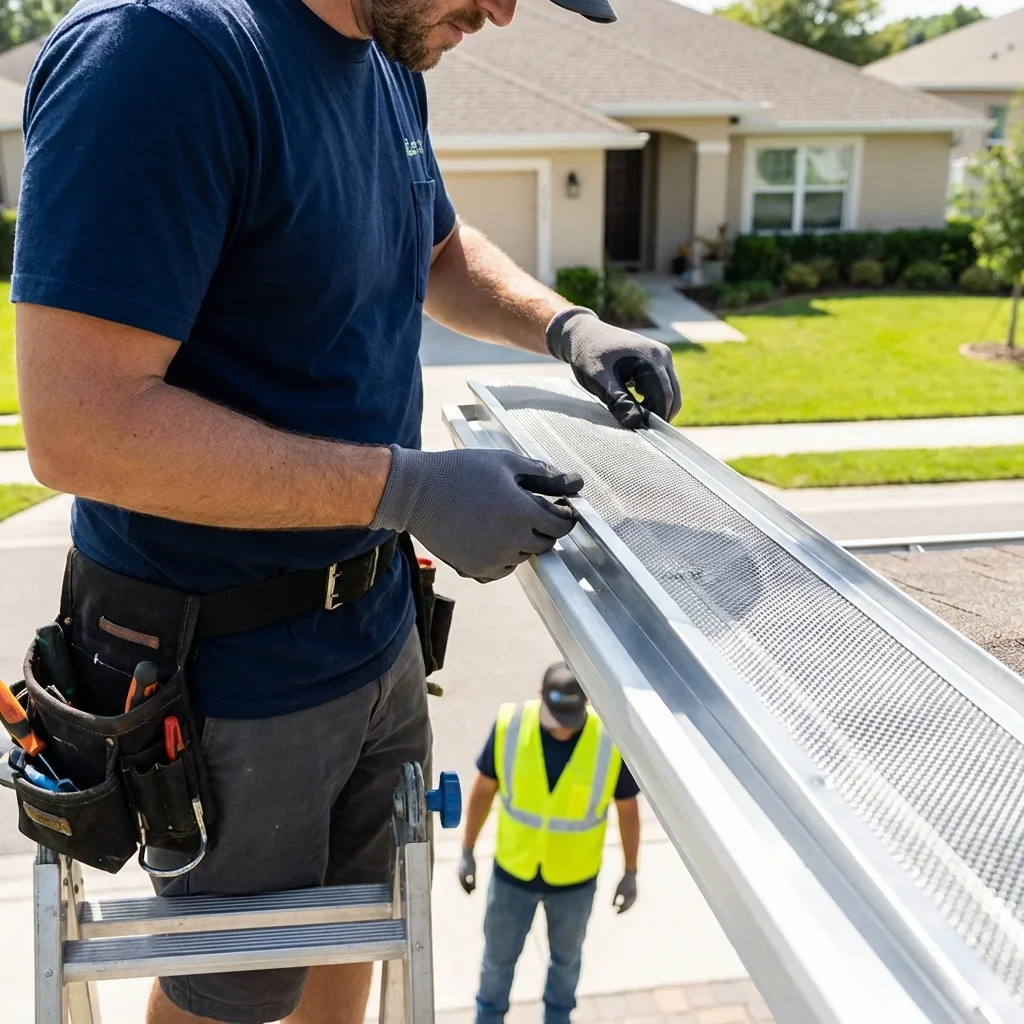
The contractor you choose matters as much as the product they install.
Start with installers who specialize in gutter work rather than general handyman services — gutter guards require specific knowledge about water dynamics, fastening systems, and how different materials perform under your local conditions. A roofing contractor who installs guards as a side service brings relevant expertise, but a dedicated gutter company lives with the results of their installations through warranty service.
Check licensing and insurance requirements in your state, then verify the contractor meets them. Most states require general contractor licenses for projects over $500-$1,000, and reputable installers carry liability insurance and workers' compensation coverage.
You're protecting yourself from liability if a worker is injured on your property and ensuring you have recourse if the installation damages your roof or fascia.
Online reviews reveal patterns, not absolutes. A single negative review about a missed appointment means little. Multiple complaints about guards failing within a year or contractors disappearing when warranty issues arise tells you everything.
Look for responses from the company addressing criticism — contractors who engage with complaints and describe resolution efforts demonstrate accountability.
Professional associations like the National Association of Home Builders or regional contractor groups provide member directories and sometimes complaint resolution services. Membership doesn't guarantee quality, but it shows a company invests in their reputation beyond Yelp. Local Better Business Bureau ratings matter primarily for the company's response to disputes, not the letter grade itself.
Frequently Asked Questions
- California Building Code (referenced via Gutterglove industry note). "California Building Code Requirements for Roof Gutters in Wildland-Urban Interface (WUI) Areas." https://www.gutterglove.com/what-to-ask-your-gutter-guard-installer/. Accessed February 09, 2026.
- ASTM International (referenced via Gutterglove). "ASTM E2768 and ASTM E84-19b Standards for Gutter Guards." https://www.gutterglove.com/what-to-ask-your-gutter-guard-installer/. Accessed February 09, 2026.
- Quality Edge (industry publication). "General Installation Guidelines for Gutter Protection Systems." https://qualityedge.com/wp-content/uploads/2023/11/TruGuard_Install_0308.pdf. Accessed February 09, 2026.