



What Are Box Gutters?
Box gutters are built-in drainage channels integrated into your roof structure — not hanging from it. You'll find them creating valleys between roof sections, tucked behind parapet walls, or forming the drainage system for flat commercial roofs. They're common on pre-1940s homes throughout Appleton and Green Bay, plus period commercial buildings in downtown Oshkosh.
Unlike external gutters that bolt to your fascia, box gutters sit inside wooden frames lined with metal or membrane. When they fail, water doesn't just overflow onto the ground. It soaks into the building structure itself.
Where You'll Find Them in Fox Valley Buildings
Colonial Revivals and Foursquare homes in Neenah's historic districts almost always have box gutters at the main roof valleys. Churches and institutional buildings throughout the Fox Valley use them behind decorative parapets. Flat-roof commercial buildings rely on them for primary drainage.
The problem: most were installed 60-100 years ago. The liners have exceeded their design life.
Sound familiar? You see water stains on the ceiling near an exterior wall. Only shows up after heavy rain or spring thaw. Painter says it's "probably the roof," but the shingles look fine. You patched it once. It came back.
The ceiling stain is the symptom. The box gutter failure is the cause. And every Wisconsin winter makes it worse.
Signs Your Box Gutter Needs Repair
Water doesn't lie. If you see these warning signs, your box gutter liner has failed or is failing:
Interior water stains on upper-floor ceilings or walls near exterior walls — especially after rain or snowmelt. The stain might be 10-15 feet from the actual leak point because water travels along structural members.
Fascia or soffit rot at roof valleys or behind cornices. You'll see paint bubbling, wood discoloration, or soft spots when you press the wood.
Ice dams in roof valleys that don't match ice patterns on the rest of the roof. Box gutters fill with ice, forcing meltwater under shingles and into the building.
Visible rust, separated seams, or holes if you can access the gutter channel. Copper turns green and develops pinhole leaks. Aluminum corrodes through. Old tar patches crack and separate.
Overflow during moderate rain even though you just cleaned the gutters. The liner has deformed, creating low spots that pond water and accelerate deterioration.
What happens if you wait? Water infiltration rots the wooden gutter box itself — the structural frame that holds the liner. A $1,200 liner replacement becomes a $6,500 structural rebuild. Rot spreads to roof decking and wall framing. You're looking at interior plaster repairs, exterior trim replacement, and potential mold remediation.
One property manager in Kaukauna ignored ceiling stains for two winters. The repair estimate went from $1,800 to $8,400 because the wooden box had rotted through and compromised roof rafters. Procrastination turns liner work into carpentry work.
What Does Box Gutter Repair Cost in the Fox Valley?
Real numbers for Wisconsin: $800-$2,500 for targeted leak repairs. $3,000-$8,000 for full liner replacement. $6,000-$15,000 if the wooden gutter box needs structural rebuild.
The wide range depends on access difficulty, liner material choice, and how much structural damage already exists.
Leak Sealing vs. Full Liner Replacement
Not every box gutter needs complete replacement. If the liner is relatively new (under 15 years for aluminum, under 25 for copper or EPDM) and damage is localized, you can seal specific failure points.
| Repair Type | Cost Range | When It Works | Lifespan Extension |
|---|---|---|---|
| Seam/corner sealing | $800-$1,500 | Isolated leaks, sound liner | 3-7 years |
| Outlet flashing repair | $600-$1,200 | Leaks at downspout connections | 5-8 years |
| Partial liner section | $1,500-$3,000 | One damaged area, rest intact | 10-15 years |
| Full liner replacement | $3,000-$8,000 | Multiple failures, aged liner | 15-40+ years |
| Structural box rebuild + liner | $6,000-$15,000 | Rotted wood frame | 40+ years |
Most Fox Valley homes built before 1950 need full replacement by now. The original liners are 70-100 years old.
Material Options and Pricing
Your liner choice determines both upfront cost and how long until the next replacement. These are installed prices per linear foot for typical residential box gutters:
| Material | Cost Per Linear Foot | Lifespan | Best For |
|---|---|---|---|
| Aluminum with EPDM seams | $45-$65 | 15-20 years | Budget-conscious, planned short-term ownership |
| EPDM rubber membrane | $60-$85 | 20-25 years | Complex gutter geometry, good value |
| Copper (16 oz.) | $95-$140 | 40+ years | Historic preservation, long-term investment |
| Stainless steel | $110-$160 | 50+ years | Commercial buildings, ultimate durability |
Most Appleton and Neenah homeowners choose EPDM membrane for the balance of cost and longevity. Copper makes sense if you're keeping the house 20+ years — you avoid a second replacement cycle.
A typical box gutter on a Colonial Revival runs 30-50 linear feet depending on roof configuration. At $60-85/ft for EPDM, you're looking at $1,800-$4,250 in materials and installation for one gutter run. Add corners, outlets, and flashing integration, and full residential jobs land in the $3,500-$6,500 range.
Commercial buildings with longer runs and access challenges (scaffolding, lifts) push into the $8,000-$15,000 range even for straightforward liner work.
The structural wildcard: if the wooden gutter box has rotted, add $80-$120 per linear foot for carpentry before any liner goes in. This is why early repair saves thousands.
The Box Gutter Repair Process
Box gutter work isn't a weekend project. It requires structural assessment, proper waterproofing integration, and knowledge of how these systems interact with historic roof designs common throughout Green Bay and Oshkosh.
Inspection and Damage Assessment
Step 1: Interior and exterior evaluation. The contractor examines ceiling stains, traces water travel paths, and accesses the gutter channel itself to assess liner condition and structural soundness.
They're looking for: liner material and age, seam separation, rust-through or membrane tears, wood rot in the gutter box frame, proper slope and outlet function, ice dam evidence, and flashing integration with roof and walls.
Step 2: Moisture testing of surrounding wood. A moisture meter reveals hidden rot that isn't visible. This determines whether you need simple liner work or structural carpentry.
Most inspections take 1-2 hours. Expect a detailed report with photos, condition assessment, and scope recommendation. Reputable contractors won't quote a price without accessing the gutter — there are too many variables hidden from ground level.
Repair or Replace Decision
If the liner is under 15 years old with isolated damage and the wooden box is sound, targeted repairs make sense. You'll get 5-10 more years before full replacement.
If the liner is original to a pre-1960 building, replace it. Temporary fixes just delay the inevitable while water continues damaging structure.
Installation and Waterproofing
Step 3: Remove old liner and debris. Contractors strip out failed material, clean the wooden box, and inspect for hidden damage. Any rotted wood gets replaced now — sistering new boards to sound framing or rebuilding entire box sections.
Step 4: Install new liner with proper integration. EPDM membranes get fastened and sealed in one continuous sheet, eliminating most seam failures. Metal liners (copper, aluminum, stainless) get soldered or riveted at joints with waterproof sealant backing.
Critical detail: where the box gutter meets the roof and walls. Flashing must direct water into the gutter, not behind it. This requires understanding how the original building was detailed — knowledge that separates specialists from general gutter contractors.
Step 5: Outlet and downspout connection. Properly sized outlets prevent ponding. Contractors seal the outlet flange to the liner, then integrate downspouts with the building's existing drainage system.
Step 6: Water testing before closeout. They flood the gutter system with a hose, checking for leaks at seams, corners, and outlets. Any failures get corrected before the job is complete.
Timeline: Simple liner replacement on an accessible residential gutter takes 2-4 days depending on length and weather. Structural rebuilds add a week. Commercial projects with scaffolding and permitting requirements can run 2-3 weeks.
Seasonal note: Most Fox Valley contractors won't install EPDM membrane below 40°F or metal liners when freezing is forecast within 48 hours. April through October is prime season. Book early — experienced box gutter contractors have limited capacity.
How to Choose a Box Gutter Repair Contractor
Box gutters aren't standard gutter work. You need someone who understands structural integration, historic building methods, and proper waterproofing — not just someone who hangs K-style gutters.
Questions That Separate Specialists from Generalists
"How many box gutter projects have you completed in the last two years?" You want someone who does this regularly, not a contractor learning on your building. Ask for references on similar projects — preferably historic homes in Appleton or Oshkosh if that matches your situation.
"What liner material do you recommend for my situation and why?" Generic answers ("copper is best") miss the point. The right contractor considers your timeline, budget, building age, and maintenance preferences. They should explain tradeoffs between materials.
"How do you handle the wood box inspection and potential rot?" If they quote a liner price without assessing structural condition, they're guessing. Expect them to explain their inspection process and what triggers additional carpentry work.
"Do you pull permits when required?" Many municipalities require permits for structural roofing work. Contractors who skip this step are cutting corners — and you're liable if something goes wrong.
Red Flags to Avoid
Avoiding interior inspection. If they quote from the ground or a ladder without accessing the gutter channel and checking for interior damage, walk away. You can't diagnose box gutter problems externally.
Pressure to "just patch it." Temporary sealants on a 70-year-old liner buy you months, not years. If the underlying system is failing, patches delay proper repair while damage spreads.
No detailed written scope. You should get a proposal that specifies: liner material and thickness, removal and disposal, structural repairs (if needed), flashing details, outlet work, and warranty terms. Vague "fix the gutter" quotes lead to disputes.
Unusually low bids. If one estimate is 40% below others, they've either misunderstood the scope or plan to cut corners on materials and waterproofing. Box gutter work is labor-intensive and material-specific — there's a floor below which quality becomes impossible.
What Good Contractors Provide
Detailed photo documentation of existing conditions. Material samples or specifications you can verify. References from similar projects you can contact. Clear explanation of what's covered in warranty (typically 5-10 years on workmanship, material warranties vary).
The best box gutter contractors in the Fox Valley often come from roofing or historic restoration backgrounds rather than standard gutter installation companies. They understand building science, water management, and how to work with period construction methods common in Menasha and Kaukauna's older neighborhoods.
Compare at least three contractors with specific box gutter experience. Ask to see completed projects. Verify they carry liability insurance and workers' compensation coverage — box gutter access often requires working at height on sloped surfaces.
The right contractor doesn't just fix the leak. They solve the drainage problem while preserving your building's integrity. That's the expertise worth paying for.
Frequently Asked Questions
Gutter repair coverage under homeowners insurance depends on the cause of damage. Insurance will cover repairs if the damage results from a covered peril, but will not cover wear and tear or negligence.
- Covered scenarios — Windstorm, lightning strike, fallen tree, hail, or other named covered perils cause damage to gutters; insurer pays repair/replacement cost minus deductible, up to coverage limits
- Not covered — Damage from normal wear and tear, clogged gutters causing water damage, improper installation, or lack of maintenance
- Deductible applies — You pay your deductible before insurance reimburses; typical deductibles are $500–$1,500
- Coverage limits — Insurance pays only up to your policy's coverage limit for that component
Always document damage with photos and file a claim promptly after a storm or other covered event.
Related Articles
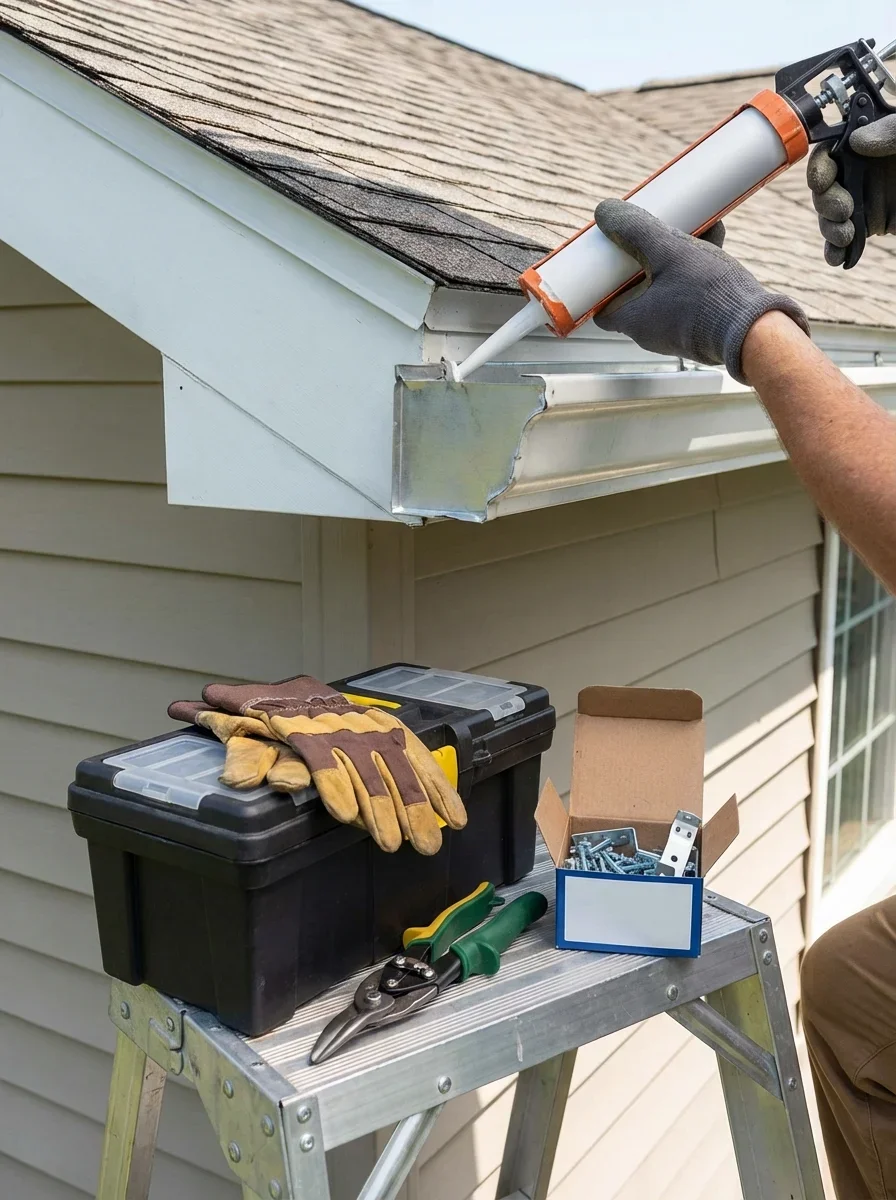
Gutter Repair Services: When to Repair vs. Replace
Need gutter repair? Learn when to repair vs. replace, what professional repairs cost, and how to find qualified contractors for small jobs and full-service work.
Read Guide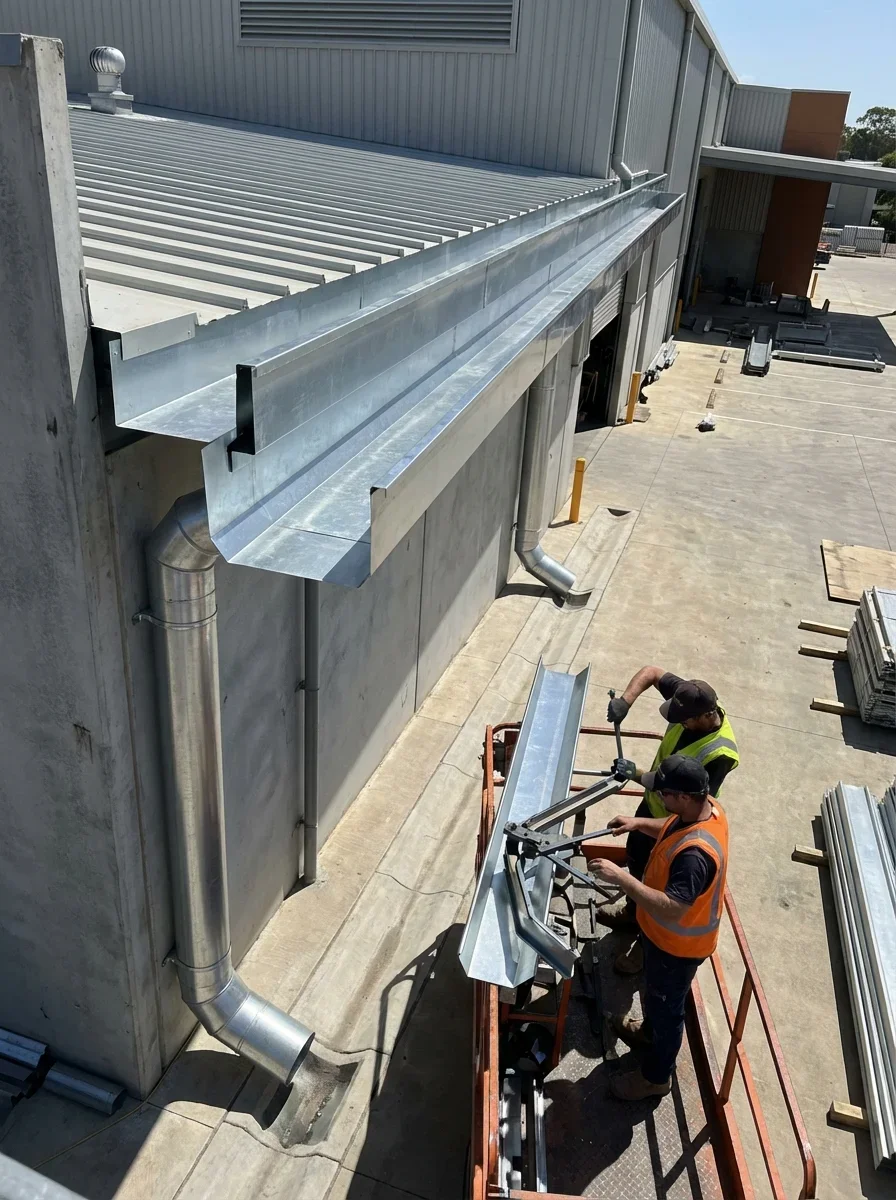
Specialty Gutter Services: Beyond Standard Installation
Explore specialty gutter services including commercial systems, premium materials, custom fabrication, and structural repair. Find contractors who handle complex gutter projects.
Read Guide