
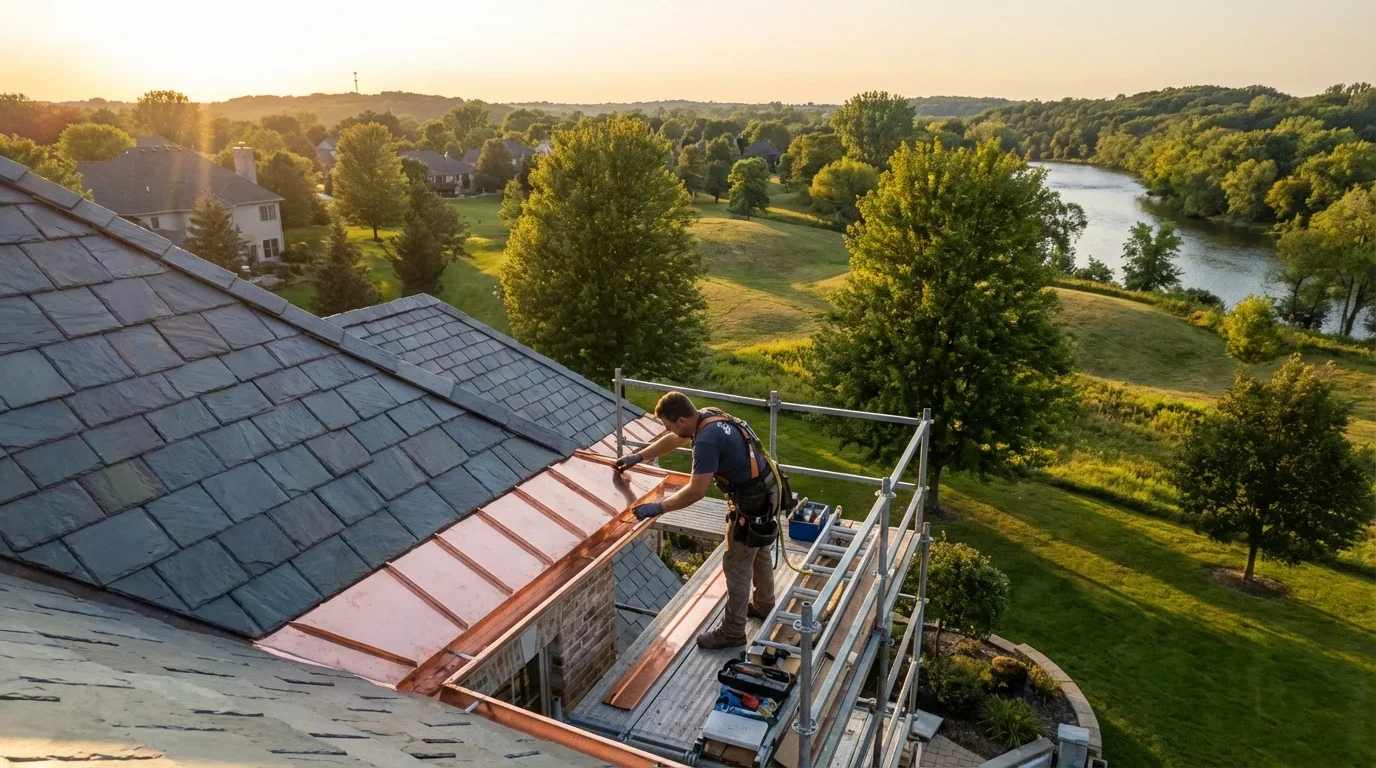
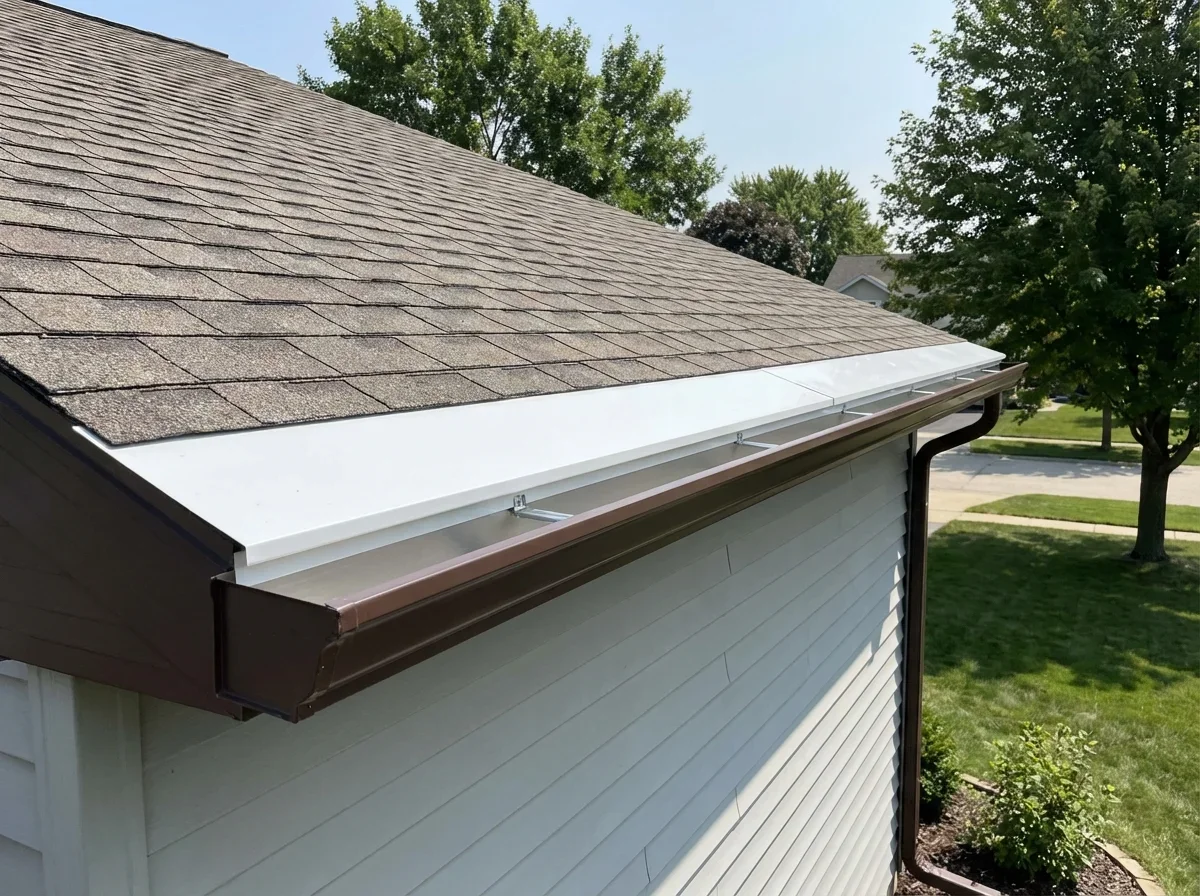
What Is a Gutter Apron?
A gutter apron is a metal flashing that bridges the gap between your roof deck and gutter. It extends from under your shingles, down over the fascia board, and into the gutter trough itself—creating a sealed pathway that forces water into the gutter instead of behind it.
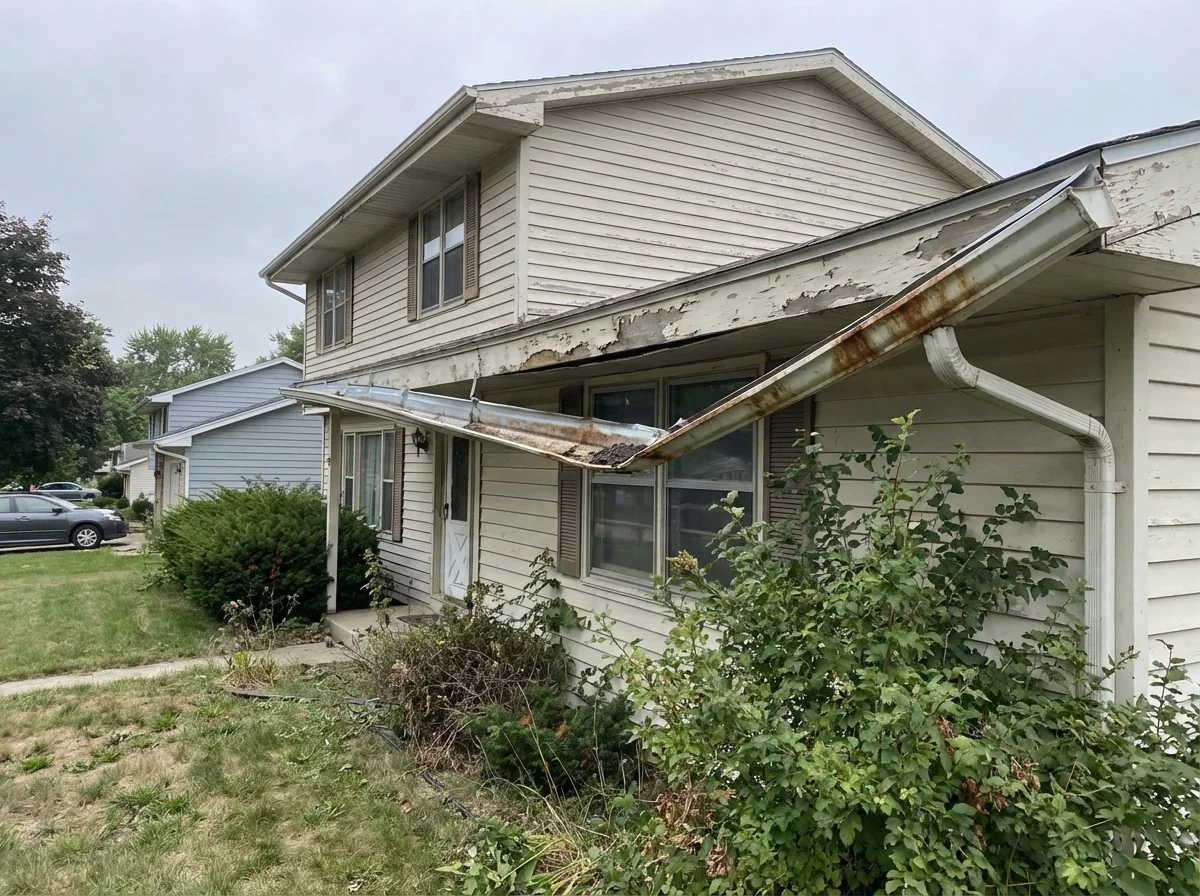
Most homeowners don't know they need one until the damage is done. The first sign is usually dark staining on fascia boards below the roofline. By then, you're looking at rot.
How Gutter Aprons Differ from Drip Edge
Contractors often confuse these two components. They're both metal flashing, but they serve different purposes and install in different locations.
Drip edge sits at the roof edge under shingles but above the gutter. It directs water away from the fascia board and into the gutter opening. Standard L-shaped or T-shaped metal.
Gutter apron extends over the back edge of the gutter itself, creating a physical seal between roof deck and gutter interior. It eliminates the gap where water sneaks behind gutters during heavy rain or snowmelt.
The best gutter systems in Green Bay and Appleton use both—drip edge at the roof perimeter, gutter apron over the back gutter edge. They work together. But if you only have drip edge, you've got an open gap that Wisconsin weather will exploit.
Why Fox Valley Homes Need Gutter Aprons
You live in ice dam country. When snow melts and refreezes at the roof edge, water backs up under shingles. Without a gutter apron, that meltwater finds the fascia board—soaking in, freezing, expanding, rotting the wood from the inside.
Homeowners in Oshkosh and Neenah see this every spring. The fascia behind the gutter is spongy or blackened. Carpenter ants move in. A $400 gutter apron installation becomes a $3,000 fascia replacement.
Sound familiar? You notice dark streaks on white fascia behind your gutters after heavy rain. You figure it's just runoff staining. Then you press on the board and your finger sinks in. The wood is rotted through. Now you're replacing sections of fascia and re-painting—all because water wicked behind the gutter for years.
The freeze-thaw cycle here is relentless. October through April, temps swing above and below freezing constantly. Every cycle drives moisture deeper into exposed wood. A gutter apron stops that cycle at the source.
What Does Gutter Apron Installation Cost in the Fox Valley?
Expect to pay $3 to $7 per linear foot for professional gutter apron installation in Appleton, Green Bay, and surrounding areas. That's material and labor combined.
For a typical Fox Valley home with 150 linear feet of gutters, total cost runs $450 to $1,050. Larger homes with complex rooflines or difficult access (steep pitch, second-story work) push toward the higher end.
Material and Labor Cost Breakdown
| Material | Cost per Linear Foot | Lifespan | Best For |
|---|---|---|---|
| Aluminum (.024 gauge) | $2–$4 | 20–30 years | Standard residential, matches most gutters |
| Galvanized Steel (.027 gauge) | $3–$5 | 25–40 years | High-wind areas, commercial buildings |
| Copper (16 oz) | $12–$18 | 50+ years | Historic homes, premium aesthetics |
Labor adds $1 to $3 per foot depending on installation complexity. If shingles need lifting and resealing (retrofit situations), expect the higher end. New construction or gutter replacement projects cost less because the roof edge is already exposed.
Factors That Affect Installation Price
Roof accessibility drives labor costs. Single-story ranch homes in Menasha with easy ladder access stay at the lower end. Two-story colonials with steep 8/12 pitch roofs or homes surrounded by landscaping need more setup time—scaffolding, safety equipment, multiple workers.
Existing gutter condition matters. If your gutters are sagging or pulling away from the fascia, installers need to rehang and realign them first before the apron can seal properly. That's an additional $150 to $400 depending on the number of hangers needed.
Material choice obviously affects cost, but think long-term. Copper costs 4x more than aluminum upfront but lasts twice as long and never needs painting. Most Fox Valley homeowners choose aluminum—it matches existing seamless gutters and handles our climate well for decades.
Timing can save you money. Bundling gutter apron installation with a roof replacement or new gutter system cuts labor costs by 30-40% because contractors are already set up on your roofline. Retrofit installations after the fact require separate mobilization.
A DIY installation is possible if you're comfortable on ladders and understand flashing principles, but mistakes here cause expensive water damage. Materials alone cost $1.50 to $3 per foot from local suppliers. You'll need tin snips, roofing nails, and sealant. One improperly sealed section undermines the entire system—water always finds the gap. Most Kaukauna homeowners hire pros for this reason. The labor cost is worth the warranty and peace of mind.
The Gutter Apron Installation Process
Professional gutter apron installation takes 3 to 6 hours for an average Fox Valley home, depending on gutter length and roof complexity. Here's what happens.
1. Assessment and Measurement
The contractor inspects your existing gutter system and roof edge condition. They're checking fascia for rot, measuring gutter sections, noting roof pitch and overhang. If fascia boards are damaged, they'll recommend repair or replacement before apron installation—you can't seal over rotted wood.
Custom metal shops in Green Bay fabricate gutter aprons to your home's exact measurements, typically in 10-foot sections. Color-matched to your gutters and trim.
2. Gutter Preparation and Cleaning
Gutters must be empty and properly aligned. Installers clean out debris, check that gutters slope toward downspouts (minimum 1/4 inch per 10 feet), and tighten loose hangers. If gutters are pulling away from the fascia, they'll add hidden hangers or fascia brackets to close the gap.
This step is critical. A gutter apron only works if the gutter itself is tight against the fascia board and draining properly.
3. Shingle Lifting and Apron Installation
Starting at one end, installers carefully lift the first course of shingles along the roof edge—just enough to slide the apron's upper flange underneath without breaking the seal. The apron extends up the roof deck about 3 to 4 inches under the shingles.
They secure the upper edge with roofing nails through the flange into the roof deck, spacing nails every 8 to 12 inches. The lower edge hangs down over the back of the gutter, creating a smooth transition from roof to gutter interior.
Each 10-foot section overlaps the previous one by 2 inches, sealed with butyl tape or roofing sealant to prevent water infiltration at seams. Corners require custom cuts and folds—this is where experience matters. A gap at an inside corner will funnel water straight into the fascia.
4. Sealing and Final Inspection
After all sections are installed, contractors apply a thin bead of high-quality roofing sealant along the top edge where apron meets shingles. They press shingles back down firmly, restoring the roof's weather seal.
Final inspection includes running water through gutters to verify flow and checking for leaks at seams and corners. In Oshkosh and Neenah, pros often schedule installation during dry weather—you want 24 hours without rain for sealants to cure properly.
Seasonal Considerations in Fox Valley
Gutter apron installation works year-round here, but timing affects comfort and efficiency. Spring and fall offer ideal temperatures—shingles are pliable, sealants cure properly, and rooftops aren't ice-covered or blazing hot.
Winter installations are possible during mild stretches (above 40°F), but frozen shingles crack easily when lifted. Most contractors avoid December through February unless it's an emergency repair.
Summer works fine, though black shingles on south-facing roofs get dangerously hot by afternoon. Crews start early, finish by noon.
How to Choose a Gutter Apron Installer
Not all gutter contractors understand the difference between drip edge and gutter apron—that's your first filter. The right installer has specific experience with fascia protection systems and knows Wisconsin building code requirements.
Questions to Ask Before Hiring
"Do you install the apron over the gutter edge or just under the shingles?" This separates pros from amateurs. The correct answer is over—creating a sealed channel into the gutter itself. If they describe installing only a drip edge under shingles, they don't understand gutter aprons.
"What material do you recommend for Fox Valley weather?" Look for specific answers about gauge thickness and finish. Aluminum .024 gauge with baked enamel finish handles our freeze-thaw cycles well. Anyone recommending the cheapest material without discussing climate considerations is focused on profit, not performance.
"How do you handle corners and seams?" Quality installers custom-cut and fold corners—no gaps. They overlap sections correctly and seal every seam. Ask to see photos of previous installations, specifically corner details.
"Will you inspect and repair fascia before installation?" A pro won't install apron over damaged wood. They should include fascia inspection in their quote and give you repair options if rot is present. Installing apron over rotten fascia is like painting over mold—you're hiding the problem, not fixing it.
Red Flags to Avoid
Quotes significantly below market rate ($2 or less per foot including labor) mean cut corners—thin material, poor fastening, skipped sealant. Gutter apron isn't a place to save $100. Do it right once.
Contractors who don't mention lifting shingles don't understand proper installation. The apron flange must extend under the first shingle course. Surface-mounting it to the fascia board defeats the entire purpose.
Pressure to install during active rain or snow suggests poor planning or desperation for work. Sealants need dry conditions to cure. Any pro knows this.
No insurance or workman's comp documentation is a liability you don't want. Roof work is dangerous. One fall costs you everything if the contractor isn't insured. Always verify coverage before signing.
The Fox Valley has dozens of qualified gutter contractors who install aprons to code every day. Compare at least three quotes. Look for installers who explain why they recommend certain materials and methods, not just what the job costs. The best contractors treat your fascia protection like it matters—because it does.
Frequently Asked Questions
The cost of 200 linear feet of gutters varies significantly by material and installation:
| Material | Cost per LF | Total for 200 LF | Notes |
|---|---|---|---|
| Aluminum (standard) | $5–$12 | $1,000–$2,400 | Most common, budget-friendly |
| Aluminum (seamless) | $8–$15 | $1,600–$3,000 | Custom-fitted, fewer leaks |
| Vinyl | $4–$10 | $800–$2,000 | Lightweight, budget option, less durable |
| Copper | $15–$25+ | $3,000–$5,000+ | Premium, longest lifespan |
| Steel | $8–$14 | $1,600–$2,800 | Heavy-duty, rust-prone in Wisconsin |
| K-Style (aluminum) | $6–$12 | $1,200–$2,400 | Popular decorative profile |
Additional costs to include:
- Downspout installation/repair — $100–$300 per downspout
- Gutter guards or leaf guards — $5–$15 per LF ($1,000–$3,000 for 200 LF)
- Removal of old gutters — $200–$500
- Labor and installation — typically $1–$3 per LF ($200–$600)
- Ice dam prevention — $500–$1,500+
Wisconsin-specific note: Budget for potential ice dam treatment and extra downspout capacity due to winter snow melt. Get 2–3 local quotes, as pricing varies by gutter company and seasonal demand.
Related Articles
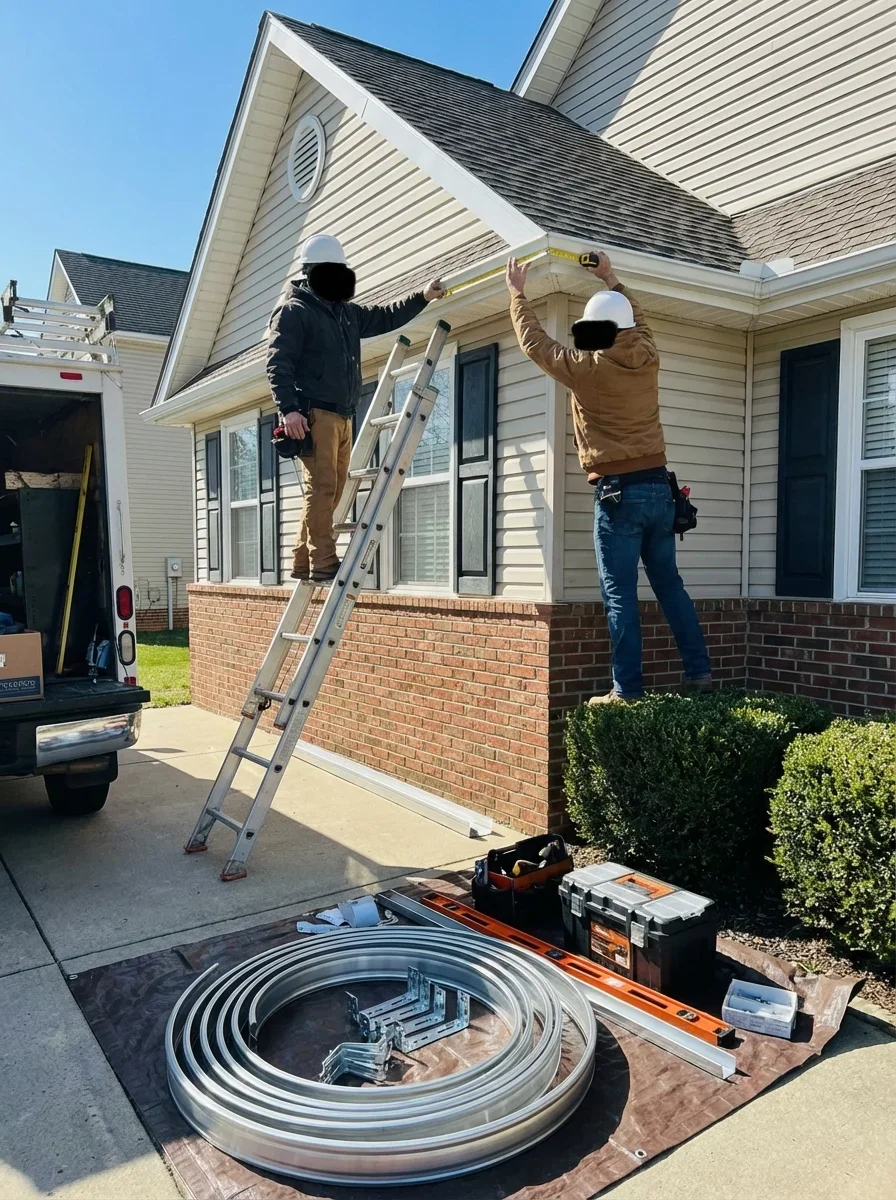
Gutter Installation Services: What to Expect & How to Hire
Learn what professional gutter installation involves, how contractors determine the right system for your home, and what quality installation should cost.
Read Guide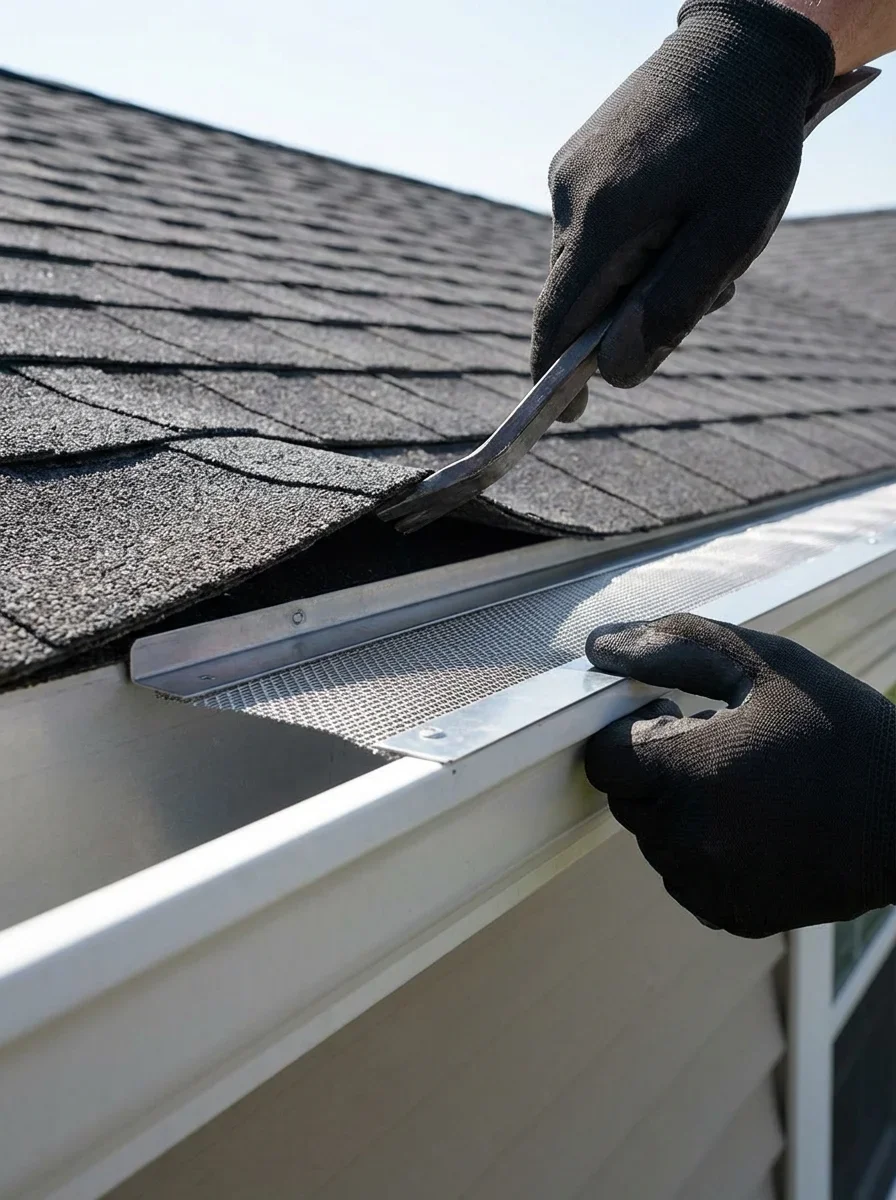
Installing Gutter Guards Under Shingles: What Pros Do Differently
Should gutter guards go under your shingles? Learn why proper attachment method determines system performance and when shingle integration is critical.
Read Guide