





Why Fox Valley Homeowners Install Gutter Guards
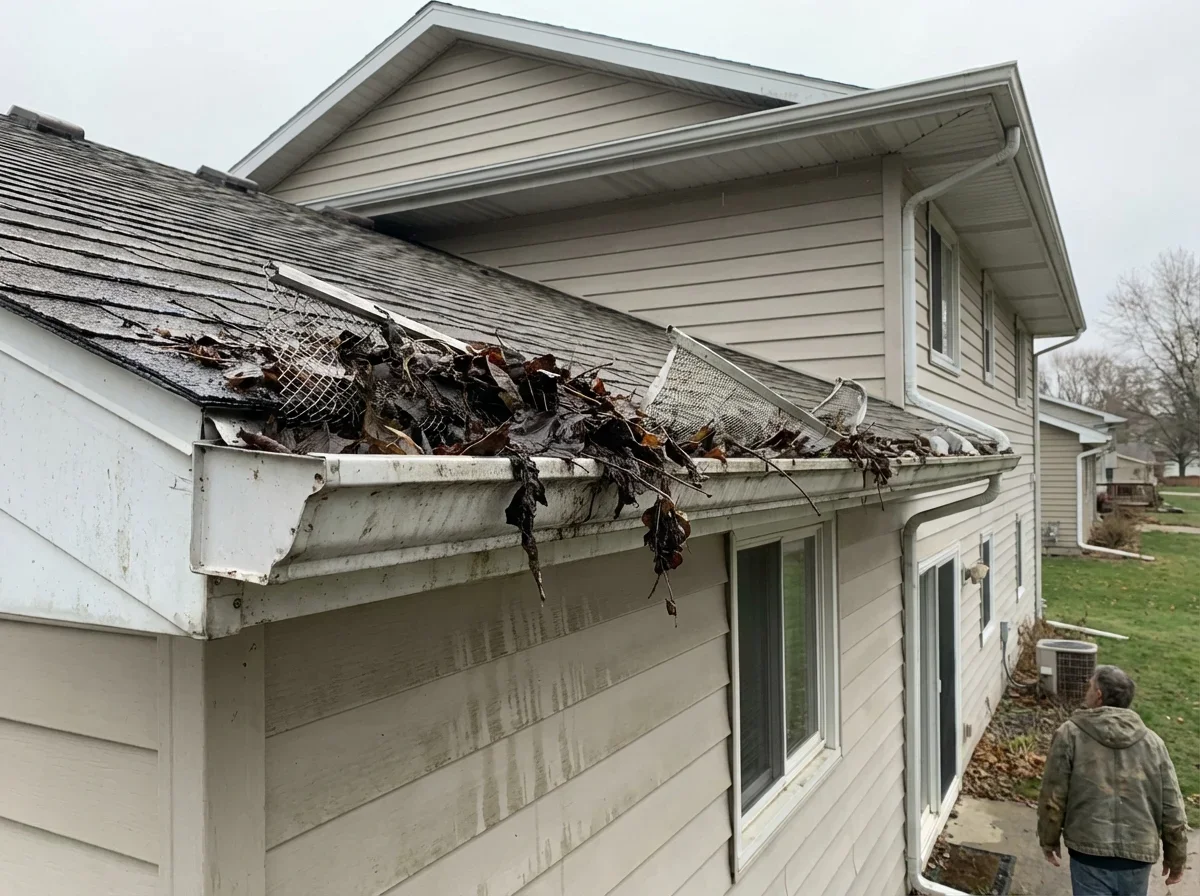
Your gutters fill up twice a year like clockwork. Spring brings maple seeds that clog downspouts. Fall dumps oak and elm leaves that turn into soggy mulch. You clean them in May, then again in October, and by November you're dealing with ice dams because water couldn't drain properly.
The cleaning cycle never ends. And when you skip it, the consequences show up fast. Overflowing gutters dump water against your foundation. Ice dams form along the roofline. Water backs up under shingles. Homeowners in Appleton and Neenah know this routine too well — the freeze-thaw cycles here make clogged gutters expensive.
Sound familiar? Your gutters overflowed last winter. Ice built up along the edge. Water seeped into the soffit. Now you've got staining and possibly rot behind the fascia.
The math is simple. If you're paying $175 twice a year for gutter cleaning, that's $350 annually. Over ten years, you'll spend $3,500 just on maintenance. A quality gutter guard system costs $1,200-$2,800 for most Fox Valley homes and reduces cleaning to once every 2-3 years.
Beyond the labor savings, guards prevent the damage that happens when gutters overflow. Water pools against foundations, seeps into basements, erodes landscaping, and rots fascia boards. In Green Bay and Oshkosh, where winter temperatures swing above and below freezing daily, ice dams form when clogged gutters trap melting snow. That ice backs water under shingles and into your attic.
Gutter guards are insurance against water damage. The right system keeps debris out while handling Wisconsin's heavy spring rains and winter freeze-thaw cycles. Not all guards perform equally in this climate, which is why choosing the right type matters as much as choosing the right installer.
What Does Gutter Guard Installation Cost in the Fox Valley?
Expect to pay $8-$25 per linear foot for professional gutter guard installation in the Fox Valley area. For a typical 150-foot system, that’s $1,200 to $3,750 total. The wide range reflects system type, your gutter configuration, and roof height.
Here’s how different guard systems compare:
The price differences reflect material quality and installation complexity. Micro-mesh systems cost more upfront but outperform cheaper options in Fox Valley’s climate. They handle small maple seeds, filter fine debris, and don’t clog during freeze-thaw cycles. Homeowners in Kaukauna and Menasha who’ve tried foam inserts often replace them with micro-mesh after 2-3 seasons of poor performance.
Installation vs. Material Costs
Installation labor typically accounts for 40-60% of the total project cost. A professional installer charges $4-$10 per linear foot for labor, which includes:
- Gutter cleaning and inspection before installation
- Proper fitting and attachment to existing gutters
- Sealing all seams and connections
- Debris removal and haul-away
You can buy DIY gutter guard materials at big-box stores for $2-$8 per linear foot, but installation matters as much as material quality. Improperly installed guards create gaps where debris enters, don’t shed water correctly, or void manufacturer warranties. Most manufacturers require professional installation to honor their 15-25 year warranties.
Additional cost factors:
- Two-story or steep roofs add $2-$4 per linear foot for safety equipment
- Gutter repair or reinforcement (if needed before guard installation): $8-$15 per linear foot
- Downspout screens and filters: $15-$35 per downspout
The ROI calculation is straightforward. At $350 per year for professional cleaning, a $2,000 micro-mesh system pays for itself in under six years. After that, you’re saving money while protecting your home from water damage that could cost thousands to repair.
The Gutter Guard Installation Process
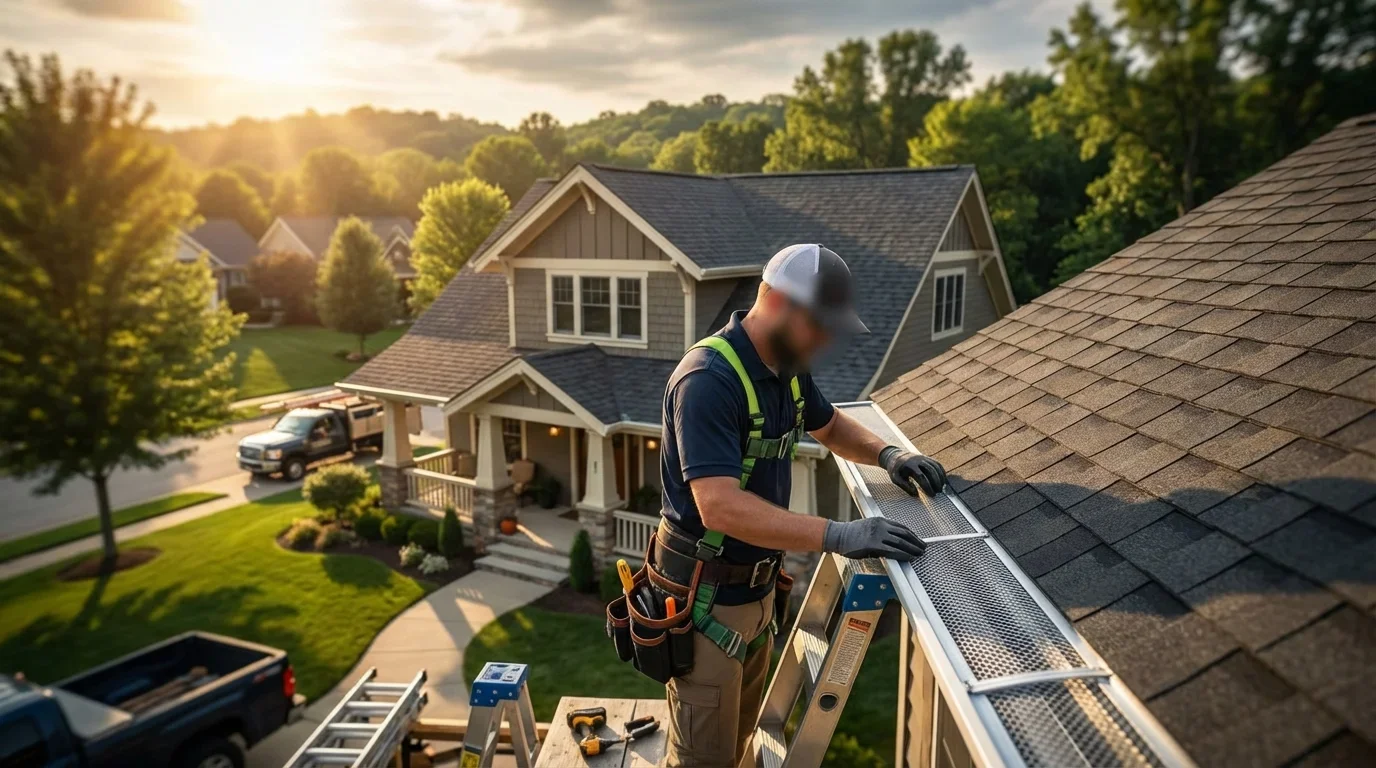
Professional gutter guard installation takes 4-8 hours for a typical Fox Valley home, depending on system complexity and gutter length. Here’s what happens from start to finish.
Inspection and Cleaning
1-2 hoursThe installer examines your existing gutters for damage, proper pitch, and secure attachment. They clean out all debris, flush downspouts, and identify any repairs needed before guards go on. Guards installed over damaged gutters just hide problems that get worse over time. Contractors in Appleton and Oshkosh often find fascia rot or loose hangers during this phase.
Measurement and Cutting
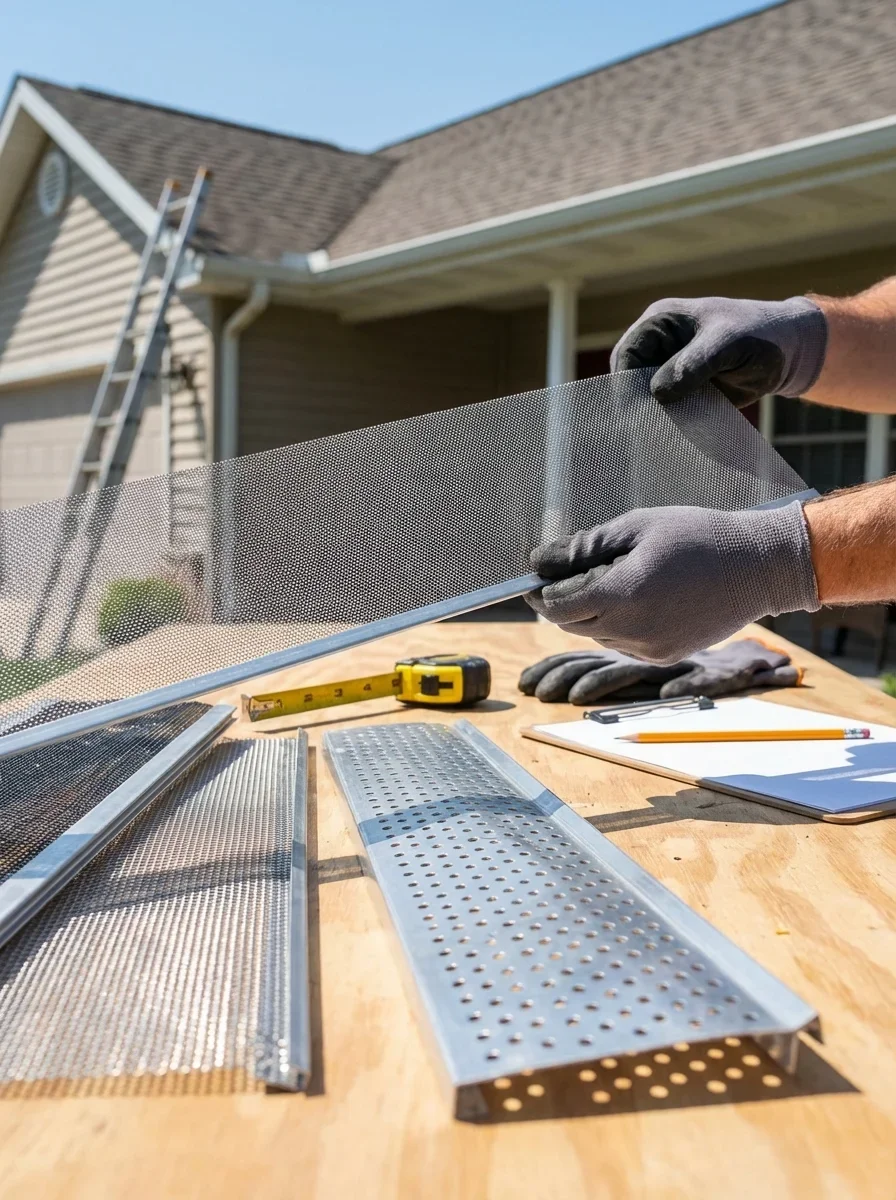
30-45 minGuards are measured and cut to fit your specific gutter configuration. Quality installers account for thermal expansion — Wisconsin’s temperature swings from -10°F in January to 90°F in July mean materials expand and contract. Guards need proper spacing to avoid buckling or gaps.
Guard Installation
2-4 hoursMicro-mesh and screen systems attach under the first row of shingles and snap or screw into the gutter front edge, creating a water-shedding angle while keeping mesh taut. Surface tension systems rely on liquid adhesion — water follows the curved surface in while debris falls off. Foam and brush inserts sit inside the channel, faster to install but less effective long-term.
Sealing and Testing
30-45 minAll seams and connection points get sealed to prevent debris entry. The installer tests water flow with a hose, checking that gutters drain properly and water doesn’t overshoot during heavy flow. In Green Bay and Neenah, installers pay special attention to downspout capacity — guards that work perfectly can still cause overflow if downspouts are undersized.
Seasonal Considerations
Best installation timing: Late spring through early fall when temperatures stay above 50°F. Some sealants and adhesives don’t cure properly in cold weather.
Winter installations: Possible but more expensive ($2-$4 per linear foot premium) due to temperature limitations and snow removal from rooflines.
Most Fox Valley homeowners schedule installation in May after spring cleaning season or in September before leaves fall. This timing ensures guards are in place before the next debris cycle begins.
How to Choose a Gutter Guard Contractor
The guard system matters, but installation quality determines whether it actually works. A premium micro-mesh system installed incorrectly performs worse than a basic screen system installed right. Here's how to separate experienced professionals from companies that will leave you with problems.
Questions to Ask Before Hiring
"What guard system do you recommend for my specific roof and tree situation?" Good contractors assess your debris type (maple seeds vs. oak leaves vs. pine needles), roof pitch, and rainfall patterns. Red flag: contractors who push one system for every home regardless of conditions.
"Is your company licensed and insured for roofline work?" Working at roof height requires proper insurance. Ask for certificates of liability and workers' comp coverage. This matters more in Oshkosh and Appleton where two-story homes are common.
"What's included in your warranty?" Quality installations include both product warranty (15-25 years from manufacturer) and workmanship warranty (2-5 years from installer). The workmanship warranty covers installation defects like leaks, improper pitch, or detachment.
"Do you clean and inspect gutters before installation?" This should be standard. Contractors who skip this step are hiding future problems.
Red Flags to Avoid
- Estimates given over the phone without visiting the property
- Pressure to decide immediately with "today-only" pricing
- Companies that don't clean gutters before installing guards
- Installers who can't explain why they recommend a specific system
- Prices significantly lower than competitors (usually means corners get cut)
What good contractors do differently: They measure carefully, account for Wisconsin's freeze-thaw cycles, explain why certain systems handle ice better, and show photos of local installations they've completed. Contractors familiar with Fox Valley weather patterns know micro-mesh outperforms foam inserts here — and they'll explain why without pushing you toward the most expensive option if your situation doesn't need it.
Warranty and Maintenance Expectations
Even the best gutter guards require occasional maintenance. Micro-mesh systems need inspection and light brushing every 2-3 years. Surface tension guards may need professional cleaning every 3-4 years as fine debris slowly accumulates.
Get the maintenance requirements in writing. Some warranties void if you don't follow recommended inspection schedules. Know what you're committing to before signing.
Most Fox Valley contractors offer annual inspection services for $75-$125. This catches small issues before they become damage. For homeowners in Kaukauna and Menasha with mature oak trees, this annual check is worth the investment.
The right contractor makes the difference between guards that work for 20+ years and guards that fail in three seasons. Take time to compare at least three local professionals. Ask the questions above. Check their recent work. The few hours you spend vetting contractors saves thousands in future repairs.
Frequently Asked Questions
Water overflowing your gutter guards usually stems from one of these issues:
- Inadequate capacity — Gutter guards cannot handle heavy rainfall rates; water exceeds the gutter's drainage speed and spills over the edge
- Clogging with fine debris — Small debris (pollen, shingle granules, fine sediment) accumulates and blocks water flow through the guard
- Leaf and needle trapping — Some guard designs trap leaves and pine needles instead of shedding them, causing blockages
- Poor installation — Guards not seated properly or gutters not pitched correctly prevent water from flowing toward downspouts
- Undersized gutters — Original gutters may be too small for your roof's watershed area
Inspect your system during/after rain, clean out any trapped debris, and check gutter pitch. If overflow persists, consider upgrading to a micro-mesh system or larger downspouts.
Related Articles
How Much Do Gutter Guards Cost? Installation Pricing Explained
Professional gutter guard installation costs $8-$30 per linear foot depending on guard type and home complexity. Compare pricing by system and get quotes from qualified contractors.
Read Cost Guide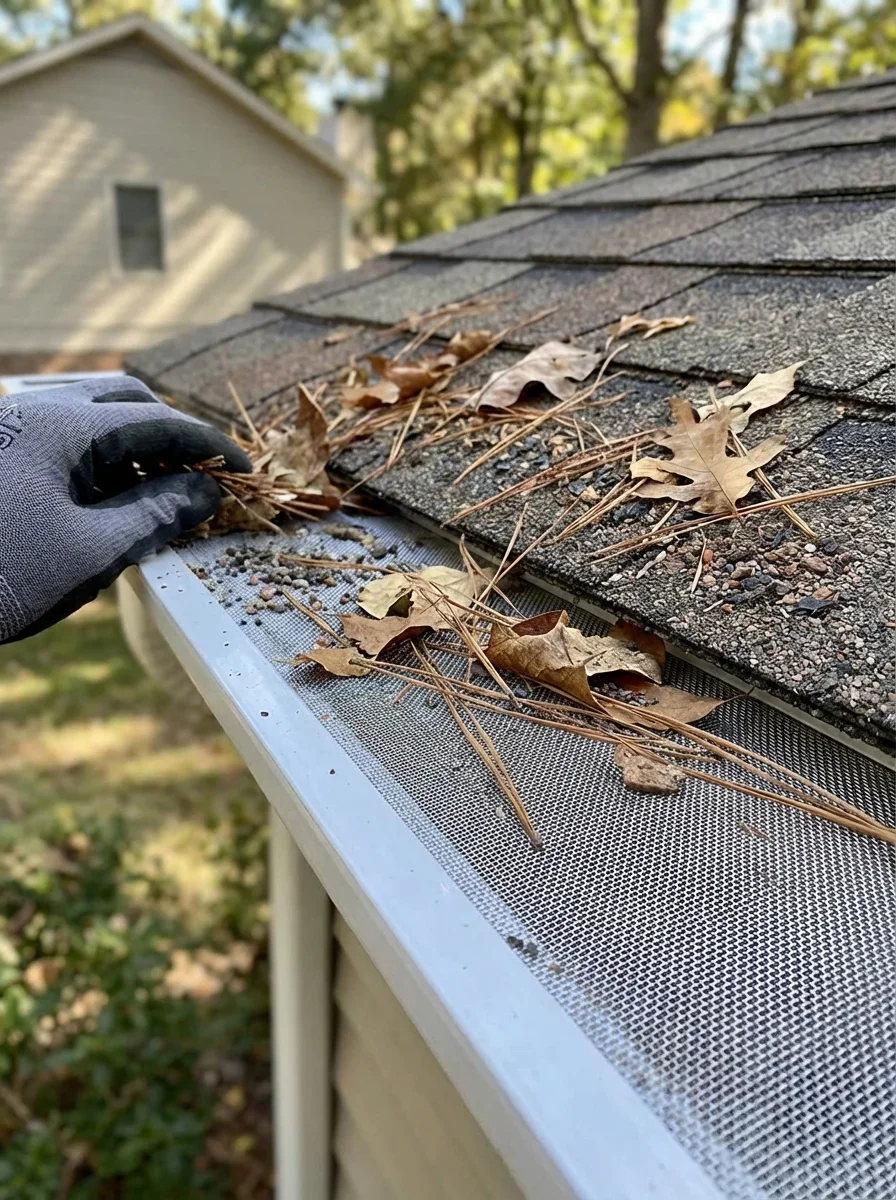
Best Gutter Guards: What Contractors Actually Recommend
Discover which gutter guard systems contractors trust most. Compare micro mesh, reverse curve, and foam systems based on real performance, not marketing hype.
Read Guide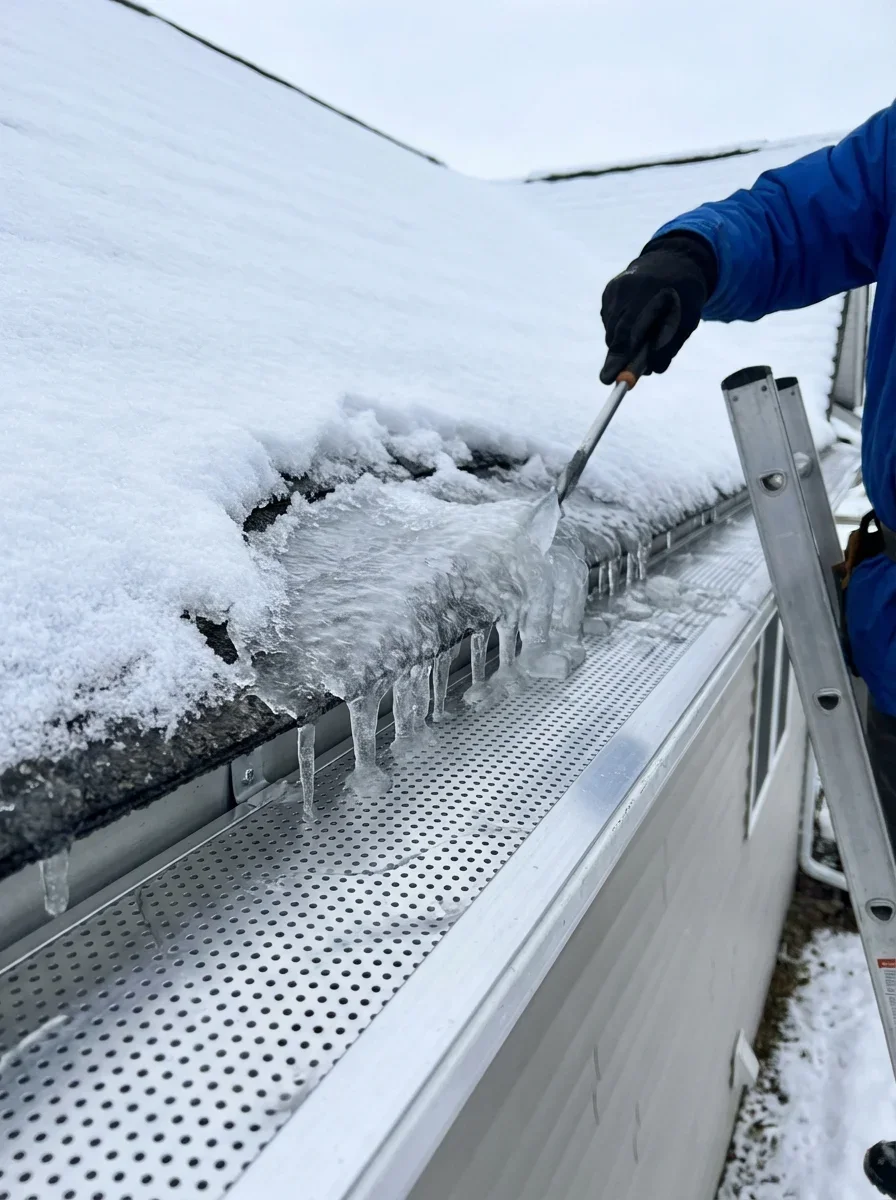
Gutter Guards and Ice Dams: Prevention, Risks & Professional Solutions
Do gutter guards prevent or cause ice dams? Learn how different guard types affect winter ice buildup and what contractors recommend for cold climates.
Read Problem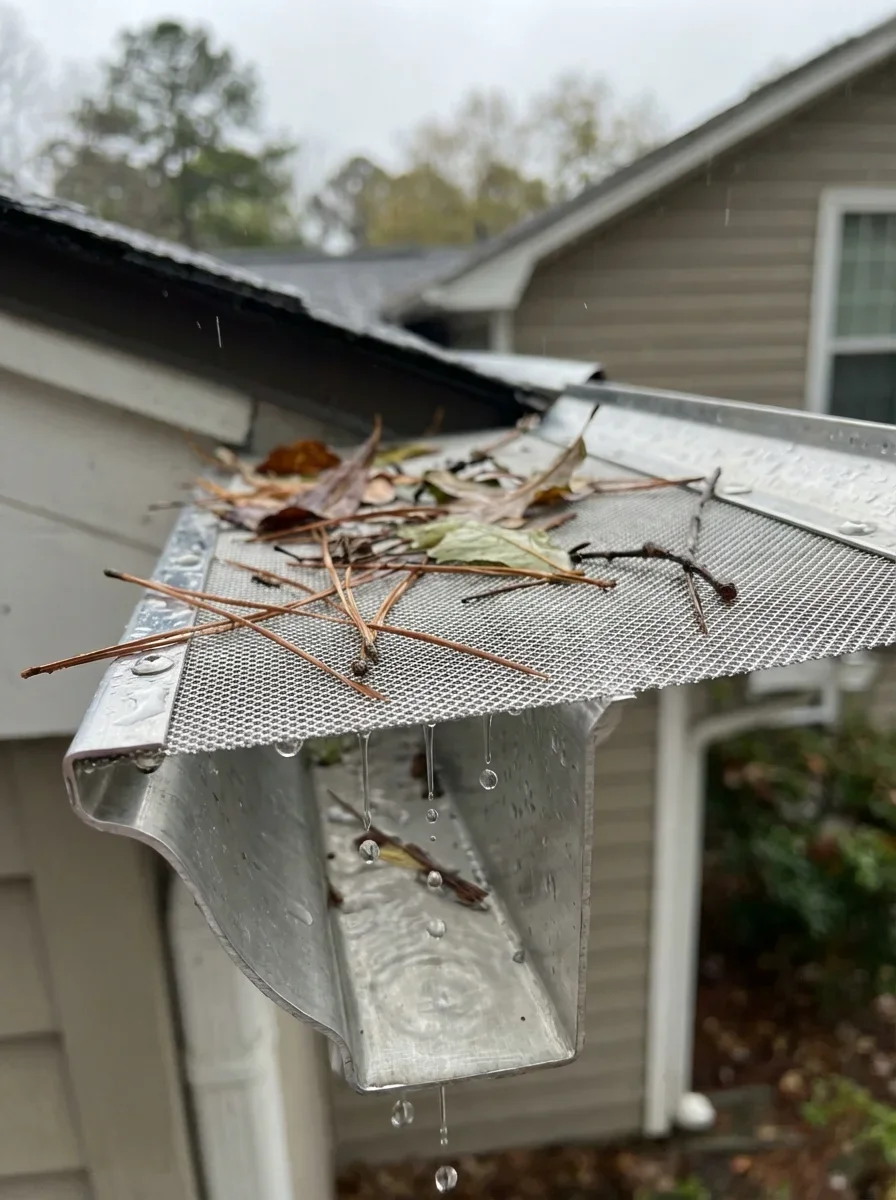
Gutter Guard Installation: Complete Homeowner's Guide
Everything homeowners need to know about gutter guards: types, costs, pros and cons, and how to find qualified installers. Make an informed decision.
Read Guide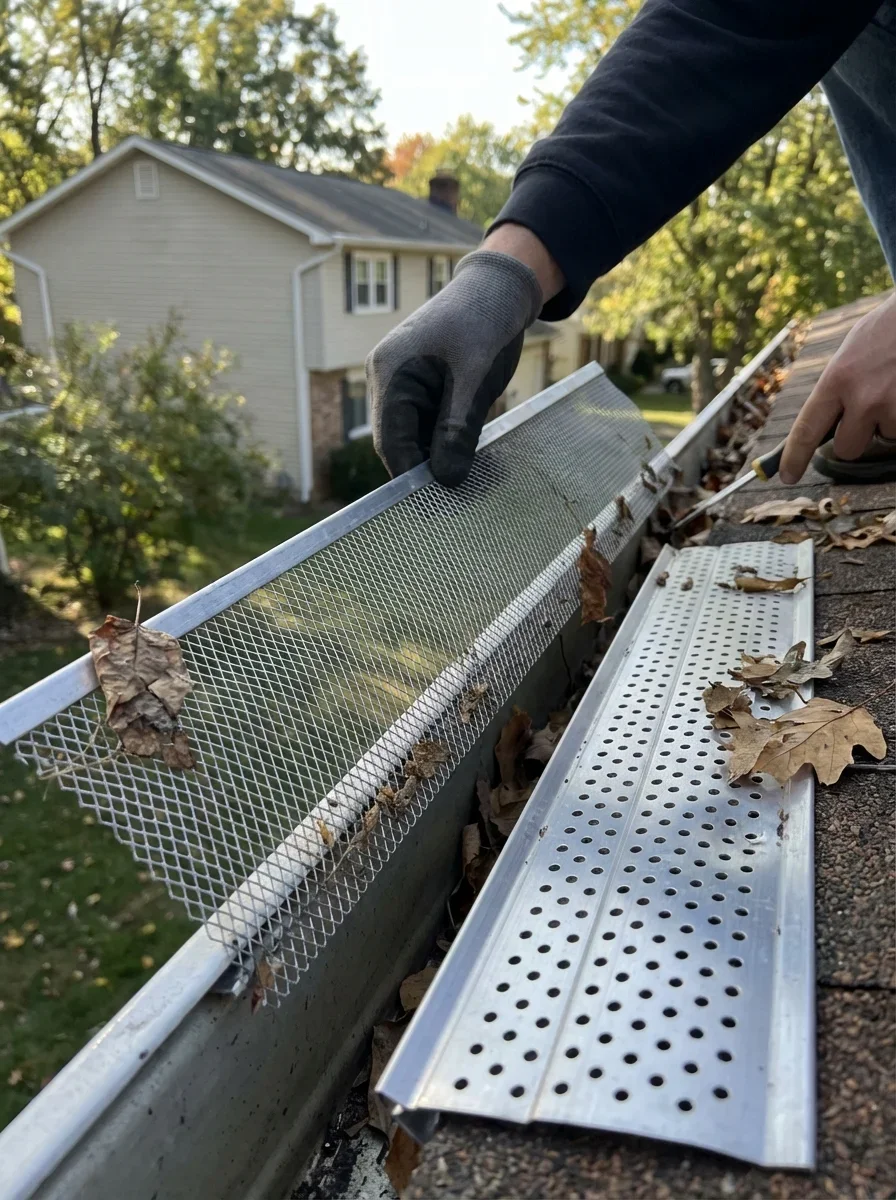
Gutter Guard Reviews: Comparing What's on the Market
Unbiased gutter guard reviews based on contractor experience. See which systems perform in real-world conditions, not lab tests or paid endorsements.
Read Guide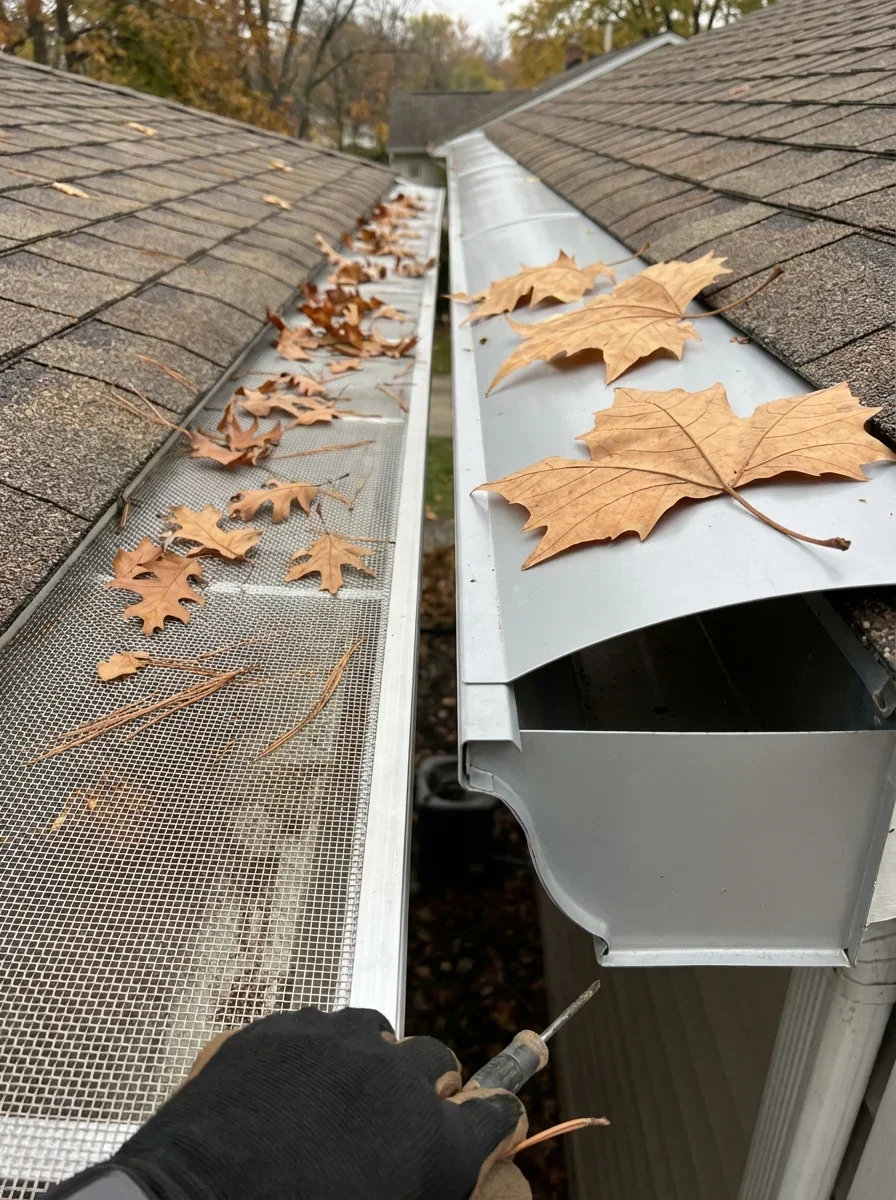
Best Gutter Guards for Leaves: What Contractors Recommend
Discover which gutter guard systems contractors trust for heavy leaf coverage and pine needles. Learn what works in real-world conditions, not marketing claims.
Read Guide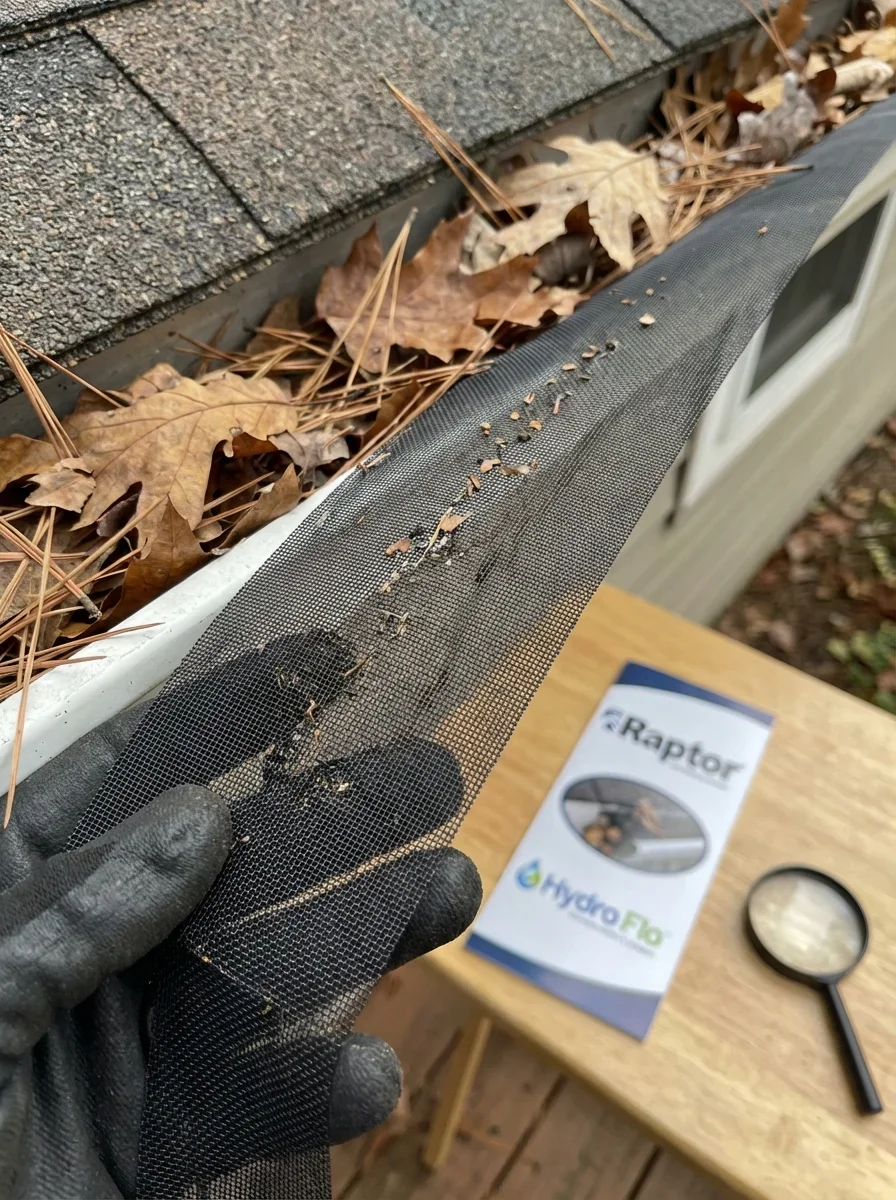
Gutter Guard Brand Spotlight: Raptor, Hydro Flo, Shur Flo & More
Unbiased reviews of popular gutter guard brands from contractors who install them. Learn which systems perform and which are just marketing.
Read Guide