
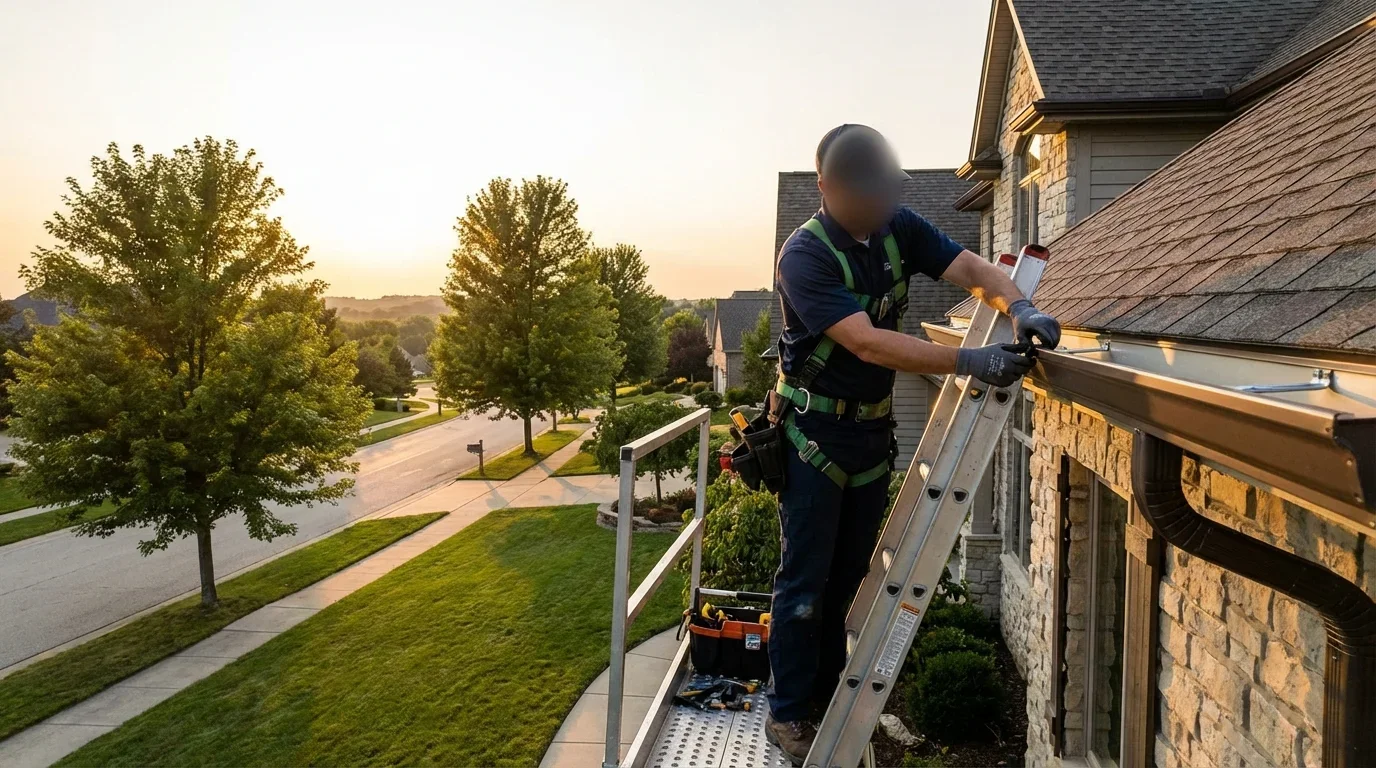


When Do You Need Gutter Hanger Replacement?
You notice it walking up the driveway — a section of gutter that doesn't line up anymore. Maybe it's pulling away from the fascia board, or there's a visible sag between two attachment points. That's your hangers giving up.
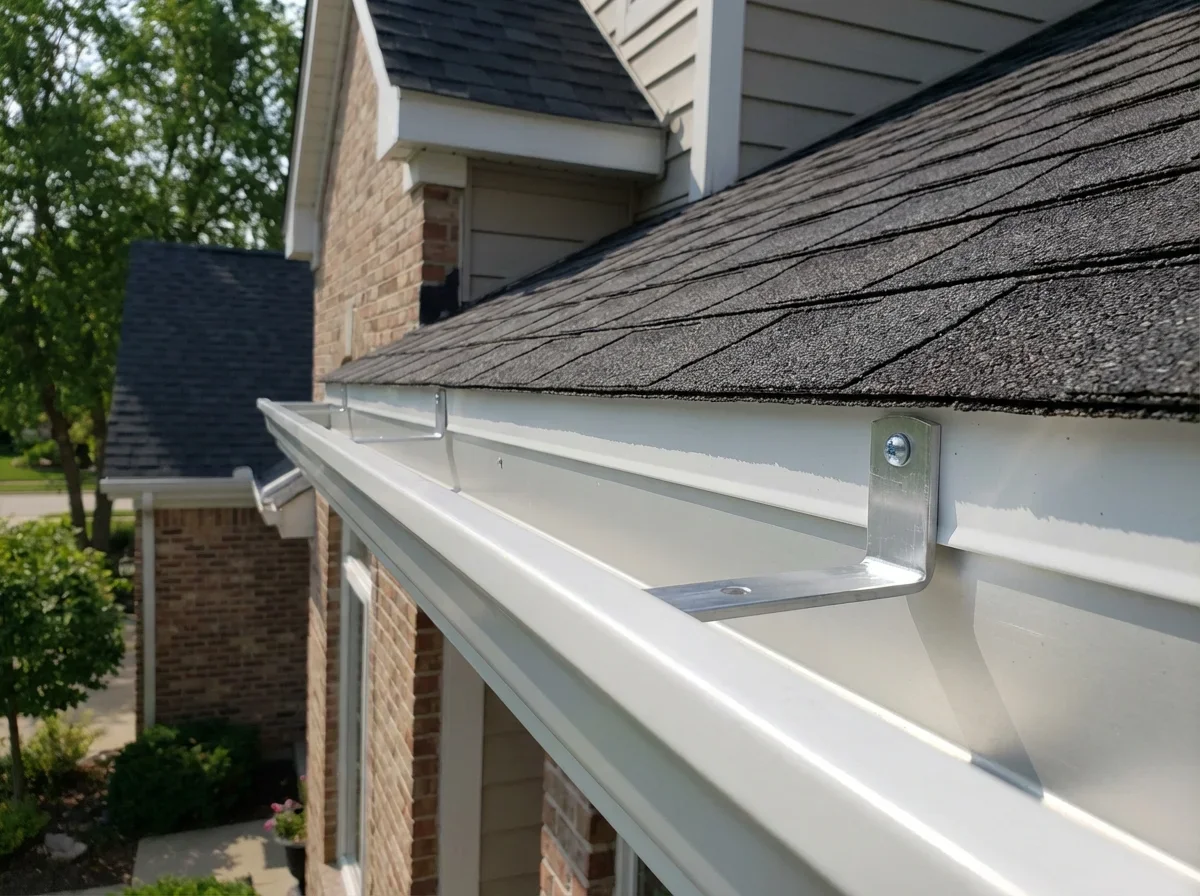
Gutter hangers are the hidden brackets that hold your gutters to the house. In the Fox Valley, they take a beating. Spring storms dump heavy rain. Winter snow loads stress every connection point. Freeze-thaw cycles work metal loose from wood year after year. Eventually, the hangers bend, break, or pull out entirely.
Common Failure Signs
The most obvious symptom is sagging or drooping gutter sections. You'll see standing water in the gutter even days after rain. During storms, water overflows at the seams instead of flowing to the downspout.
Look closer and you might spot gaps between the gutter and fascia board — sometimes an inch or more. On older homes around Appleton and Oshkosh with spike-and-ferrule systems, you'll see the spike heads pulling through the front of the gutter. The metal around the spike gets deformed, oval-shaped instead of round.
Sound familiar? Your gutters worked fine for years. Then one section started sagging after last winter. Now water pours over the side during heavy rain, splashing right onto your foundation.
Winter Damage and Ice Load Stress
Wisconsin winters are particularly hard on gutter hangers. When gutters fill with ice and snow, the weight multiplies. A 20-foot section of gutter can hold 200+ pounds of ice.
Most older gutter systems in Neenah and Menasha were installed with hangers spaced 32-36 inches apart — fine for most of the year, but not enough for snow loads. Modern installation standards call for 16-24 inch spacing, specifically because of regions like ours. When hangers are too far apart, the gutter bows under ice weight. Once it bows, water pools. Once water pools, ice forms. The cycle accelerates the damage.
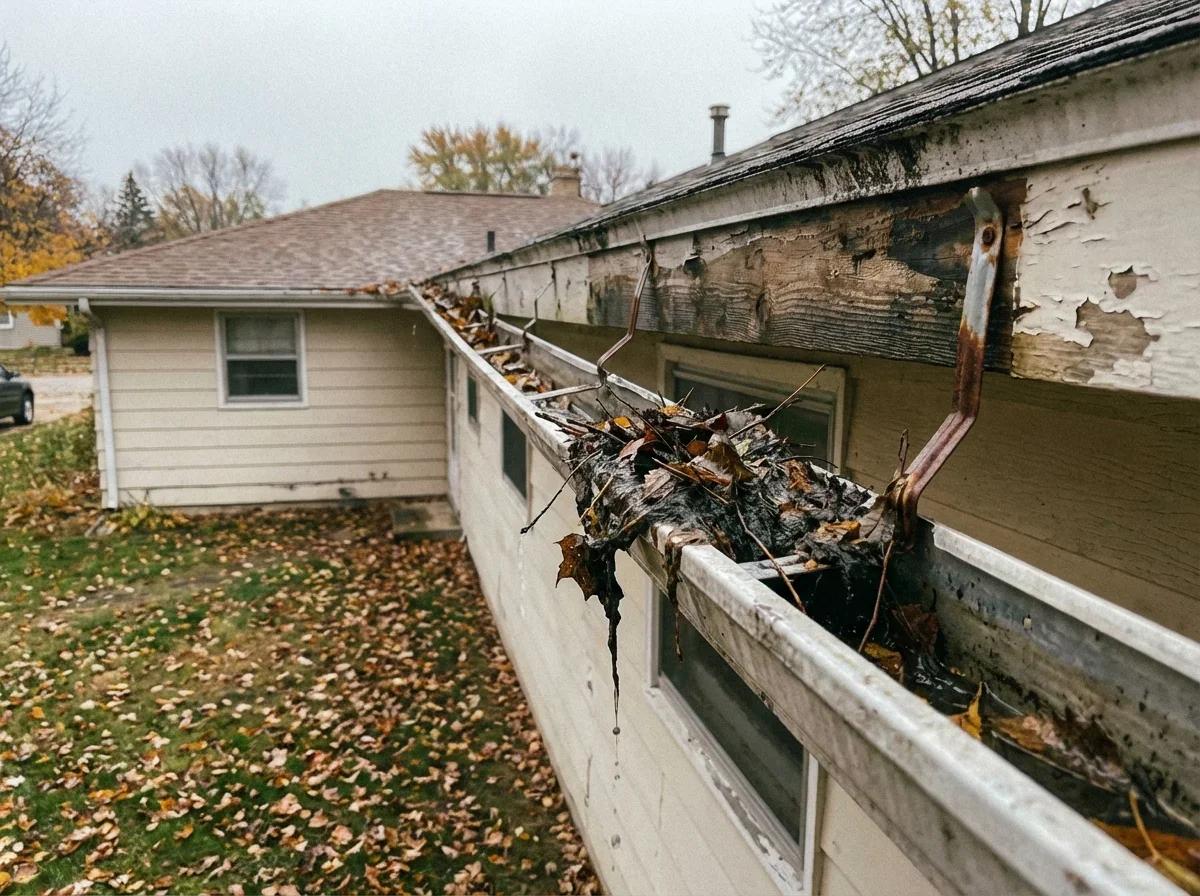
If you see paint peeling on your fascia board behind the gutter, that's water getting where it shouldn't. The hanger holes have become entry points for moisture. At that point, you're not just replacing hangers — you might be repairing rotted wood too.
Wood rot behind the gutter is common on homes over 30 years old. Every time a hanger loosens, it enlarges the hole in the fascia. Rain gets in. The wood swells and softens. The hanger pulls out even easier next time. Homeowners in Green Bay discover this cycle when they try to rehang a gutter themselves and the screw won't bite into anything solid.
What Does Gutter Hanger Replacement Cost in the Fox Valley?
Expect to pay $3 to $8 per hanger installed, depending on your system type and fascia condition. Most Fox Valley homes need 25-40 hangers replaced, putting total project cost between $150 and $600 for typical repairs.
That range accounts for the difference between simple hanger swaps on solid wood versus situations where contractors need to repair fascia boards or add blocking behind compromised areas.
Per-Hanger vs Per-Project Pricing
Some contractors quote by the hanger, others by linear foot of gutter, and many offer per-project pricing after inspection. Here's what drives the cost:
| Scenario | Per Hanger | Typical Project |
|---|---|---|
| Simple replacement, solid fascia | $3-$4 | $150-$250 |
| Hidden hanger upgrade from spikes | $5-$6 | $300-$450 |
| Includes fascia repair/blocking | $7-$8 | $400-$600 |
Hidden hanger brackets cost more than spike-and-ferrule hardware, but they hold better. The bracket attaches to the fascia with multiple screws and supports the gutter from inside. No visible hardware on the front face. No holes through the gutter itself.
When contractors find rotted fascia in Kaukauna or Appleton, they'll sister in new wood blocking or replace sections of fascia board. That adds material and labor, but it's necessary — you can't secure hangers to soft wood. Fascia repair typically adds $8-$15 per linear foot to the project.
Fascia Repair and Related Costs
If your fascia board is compromised, expect these additional costs:
- Fascia board replacement: $8-$15 per linear foot
- Wood blocking/sistering: $5-$10 per section
- Paint/primer touchup: $50-$150 for affected areas
- Gutter realignment: Often included, sometimes $50-$100 extra
A complete hanger replacement on a typical Fox Valley ranch (100-150 linear feet of gutter) with moderate fascia repair runs $400-$800 total. If you're replacing an old spike system with modern hidden hangers across the entire house, budget $600-$1,200.
The alternative — doing nothing — costs more. Water damage behind loose gutters leads to soffit rot, interior wall moisture, and foundation issues. Repairing those problems runs $2,000-$5,000+. Fixing hangers now prevents expensive structural repairs later.
DIY hanger replacement is possible if your fascia is solid and you're comfortable on a ladder. Hidden hanger brackets run $2-$4 each at home improvement stores. But if you're dealing with wood rot, uneven fascia, or need to realign sections of gutter, professional work pays off. Contractors have the blocking material, the experience to assess structural issues, and the tools to get gutters properly pitched.
The Gutter Hanger Replacement Process
Professional gutter hanger replacement typically takes 3-6 hours for a whole-house project, weather permitting. Here's what happens from inspection through completion.
Inspection and Fascia Assessment
The contractor starts by walking the perimeter, looking at every section of gutter from ground level and then up close from a ladder. They're checking for sag, gap spacing, water stains, and — most importantly — fascia board condition.
A good contractor will probe the fascia with a screwdriver or awl. Soft, punky wood means moisture damage. They'll identify which sections need wood repair before hanger installation. On many Oshkosh and Neenah homes built in the 1970s-90s, the fascia boards behind gutters are original wood that's seen 30+ winters.
The inspection determines the scope: are we replacing a few failed hangers, upgrading the entire system from spikes to hidden hangers, or doing a combination of hanger replacement and fascia repair?
Hanger Selection and Installation
Once the scope is set, the contractor measures hanger spacing. Modern best practice is 16-24 inches apart, with hangers positioned closer together at corners and downspout areas where stress concentrates.
If you're upgrading from spike-and-ferrule to hidden hangers, they'll remove the old spikes and patch the holes in the gutter face. Hidden hangers install from inside the gutter, attaching directly to the fascia with deck screws or structural lag screws.
The installation sequence:
- Remove failed hangers — old spikes pulled out, bent brackets removed
- Repair fascia — sister in new wood blocking where needed, replace compromised sections
- Install new hangers — positioned at proper spacing, screwed into solid wood
- Realign gutter — adjust pitch to ensure proper drainage (1/4" drop per 10 feet toward downspouts)
- Test flow — run water through system, verify no pooling or overflow
For hidden hangers, the contractor slides each bracket into the gutter, positions it against the fascia, and drives screws through pre-drilled holes. The bracket hooks over the front edge of the gutter and supports it from underneath — much stronger than a spike punched through the front.
Fascia repair happens before hanger installation. If a section is rotted, the contractor will cut out the damaged area and install new pressure-treated or composite fascia board. Sometimes they'll sister a new board behind the existing one rather than full replacement.
Timing and Seasonal Considerations
Gutter hanger work can be done year-round in the Fox Valley, but spring and fall are ideal. Spring repairs prepare the system for summer storms. Fall work ensures gutters can handle winter ice loads.
Avoid scheduling during active rain or when ice is present in the gutters. Contractors need dry conditions to properly assess fascia and ensure screws bite securely into wood.
How to Choose a Gutter Hanger Contractor
Not all gutter contractors distinguish between simple cleaning and structural repairs. You want someone who understands hangers, fascia integrity, and proper drainage — not just a maintenance crew with a ladder and a hose.
Ask specific questions about fascia inspection. Will they probe the wood to check for rot? What's their process if they find compromised boards? Do they carry blocking material and replacement fascia, or will they need to make a supply run mid-job? A contractor experienced with Fox Valley homes will have seen plenty of fascia rot and come prepared.
Questions to ask before hiring:
- What hanger system do you install? (Hidden hangers are superior to spike-and-ferrule)
- What spacing do you use? (Should be 16-24" for Wisconsin snow loads)
- How do you handle fascia repair? (Look for detail about sistering vs replacement)
- Is fascia repair included in the quote or extra? (Get it in writing)
- What's the warranty on the installation? (1-2 years on labor is standard)
Red flags to avoid:
- Quotes without inspecting the fascia up close
- Contractors who want to "just add more hangers" without checking wood condition
- Reluctance to discuss hanger type or spacing standards
- Pressure to replace entire gutter systems when hangers are the real issue
The best contractors will differentiate between homes that need a few hanger replacements versus those requiring fascia work or full system upgrades. They'll walk you through what they found, show you problem areas, and explain why they're recommending specific repairs.
Get quotes from at least two contractors. Compare not just price, but detail level in their assessment. A thorough inspection that identifies wood rot is worth more than a cheap quote that ignores underlying problems.
Local gutter specialists in Appleton, Green Bay, and surrounding Fox Valley communities see hanger failures constantly. They know which neighborhoods have homes from eras with poor hanger spacing. They stock hidden hanger brackets and fascia repair materials. Experience with regional weather patterns and common housing construction methods matters when you're trusting someone with the system that protects your home from water damage.
Frequently Asked Questions
Yes, you can replace a single section of gutter without replacing the entire system. Here's the general process:
- Inspect the damage — Look for corrosion, holes, separations, or sagging; clean out all debris first
- Locate fastening points — Find and remove screws or fasteners holding the damaged section in place using a screwdriver
- Detach the section — Carefully lift away the damaged gutter section from the fascia
- Measure and order — Take measurements of length and material type (aluminum, steel, copper, vinyl) to order a matching replacement
- Install the new section — Slide the new section into place and secure with fasteners every 3 feet (2 feet in Wisconsin for snow load)
- Seal joints — Apply gutter sealant to connection points to prevent leaks
For seamless gutters or if the damage is extensive, professional repair is recommended. Improper installation can lead to water pooling and further damage.
Related Articles
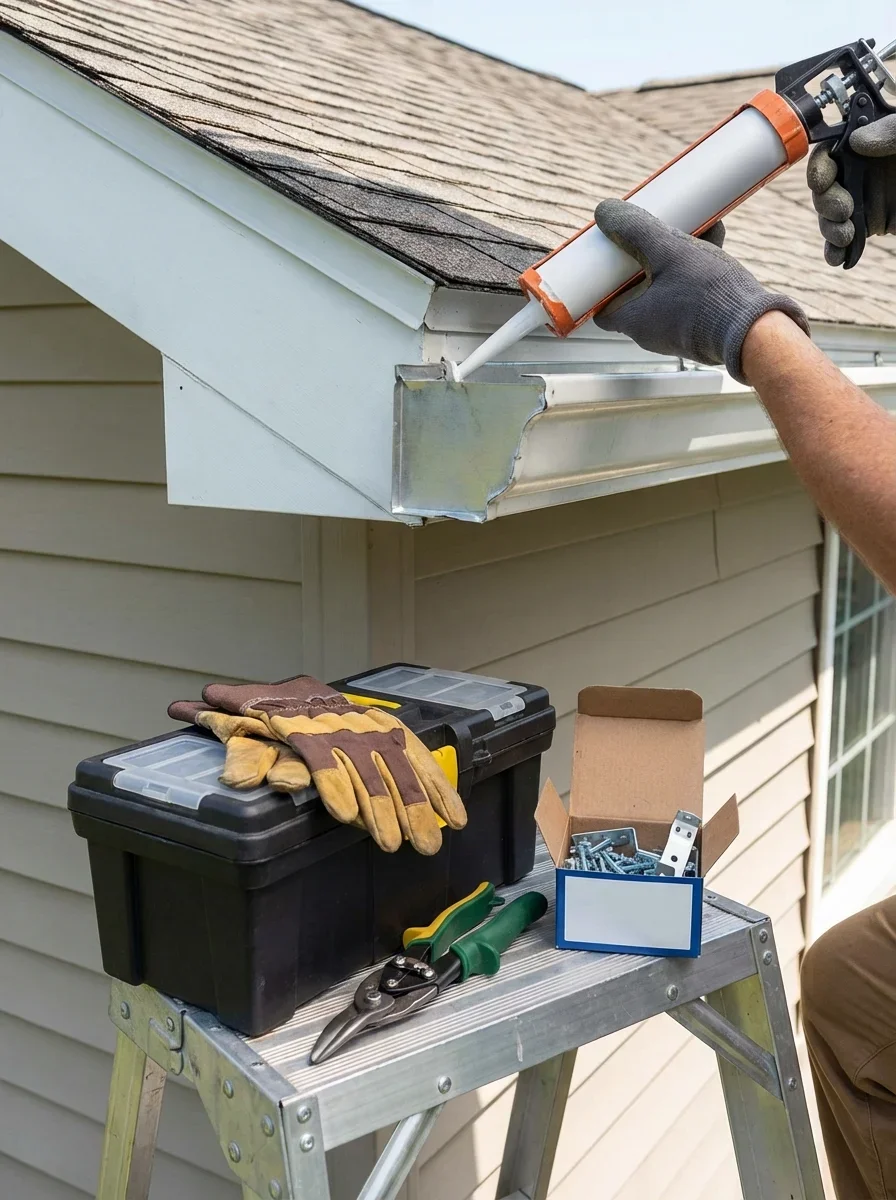
Gutter Repair Services: When to Repair vs. Replace
Need gutter repair? Learn when to repair vs. replace, what professional repairs cost, and how to find qualified contractors for small jobs and full-service work.
Read Guide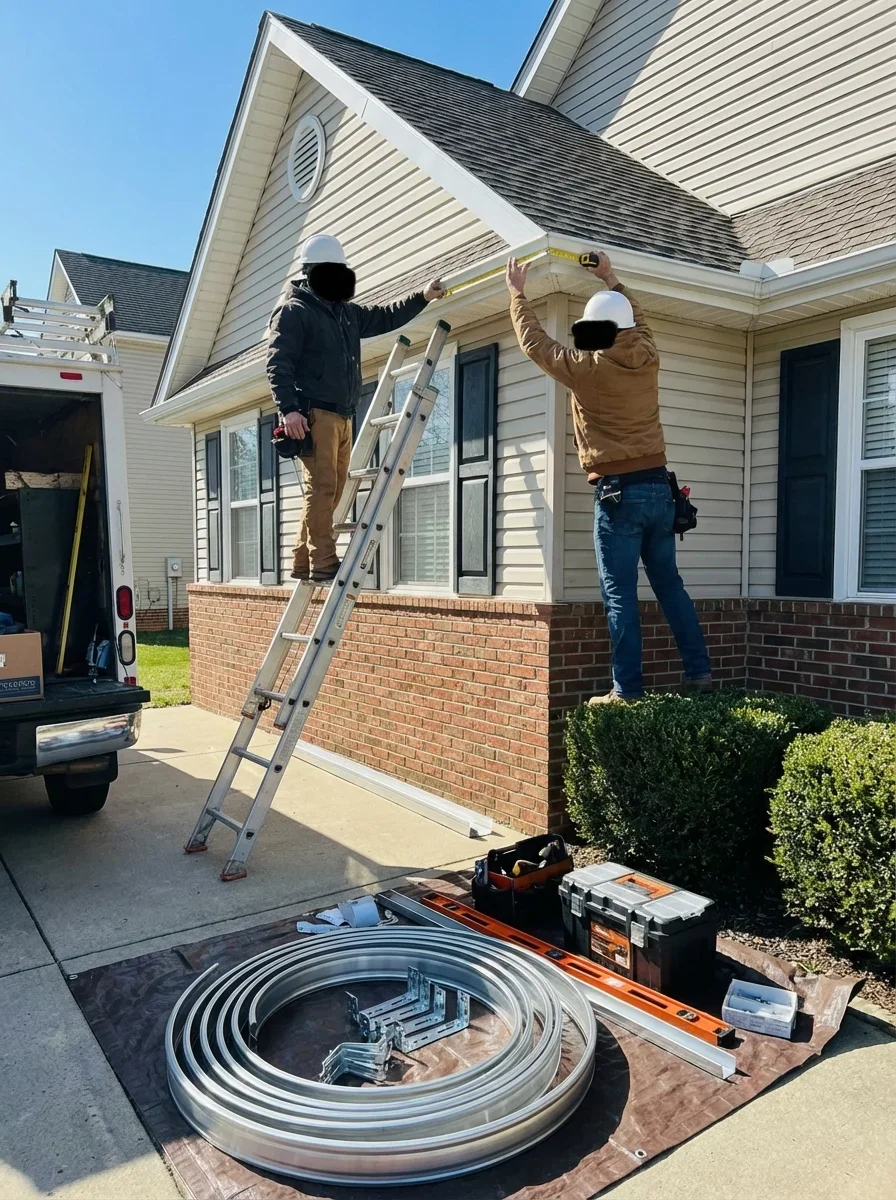
Gutter Installation Services: What to Expect & How to Hire
Learn what professional gutter installation involves, how contractors determine the right system for your home, and what quality installation should cost.
Read Guide