

When Basic Gutter Screening Makes Sense (and When It Doesn't)
You don't need a $3,000 gutter protection system. You just want to stop pulling handfuls of oak leaves out of downspouts every October.
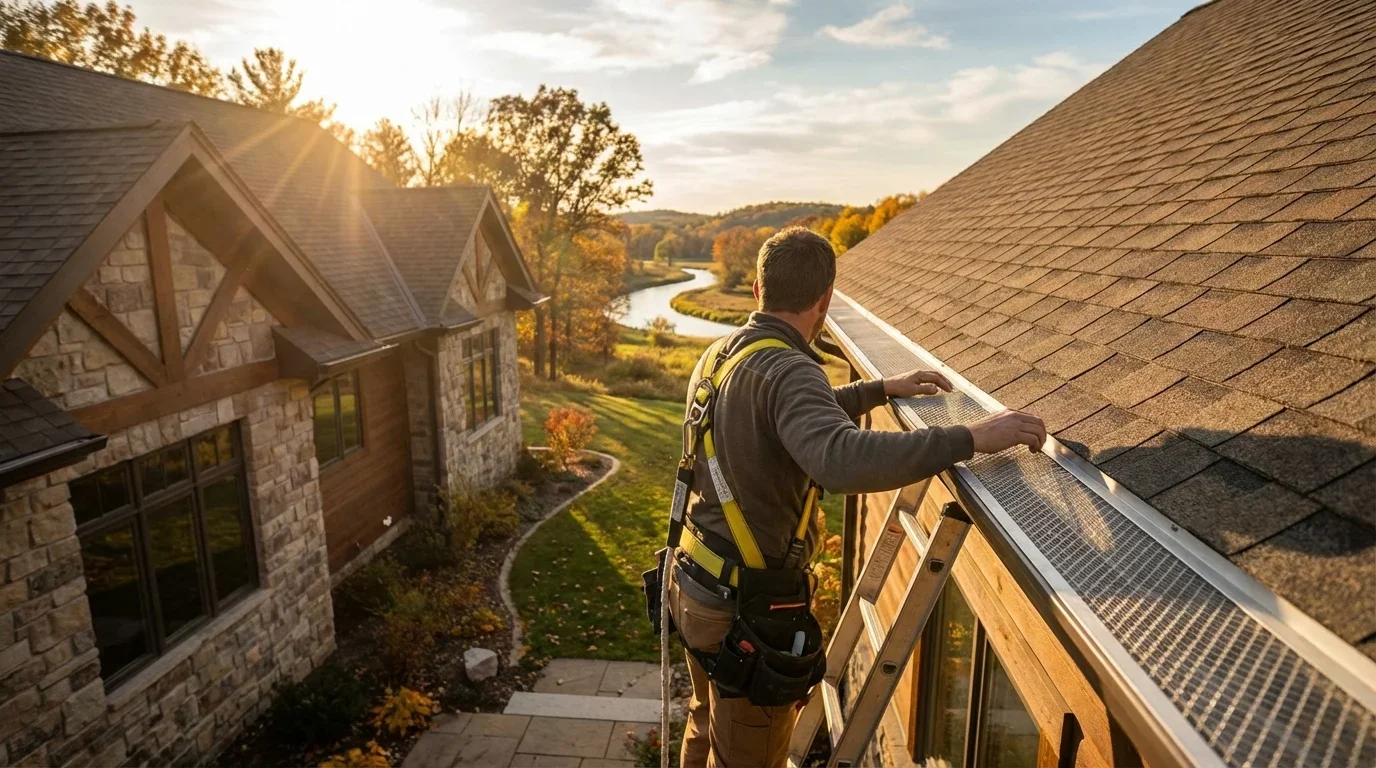
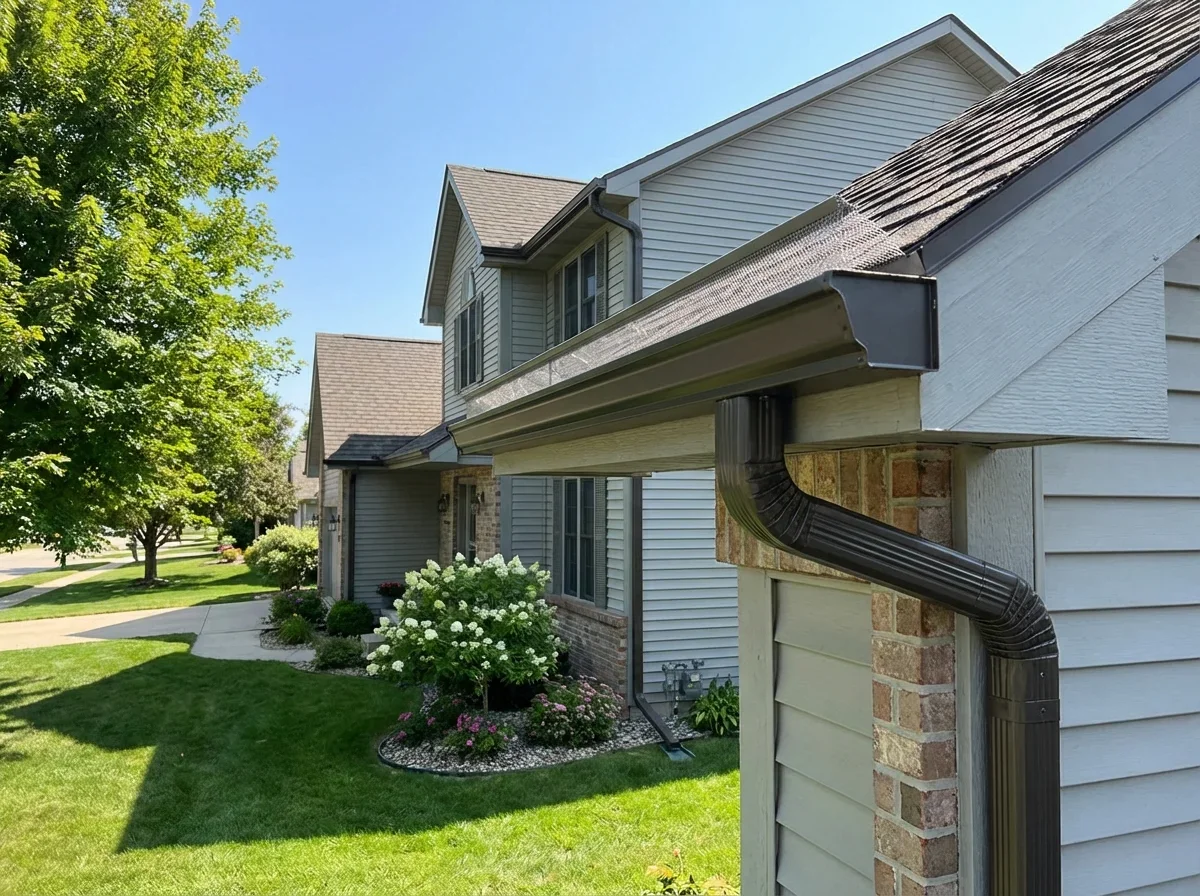
That's where screening comes in. It's the most basic, most affordable form of gutter protection—and for many Fox Valley homeowners, it's enough. If your main issue is large debris from mature trees, a simple aluminum or vinyl screen catches the big stuff before it clogs your downspouts.
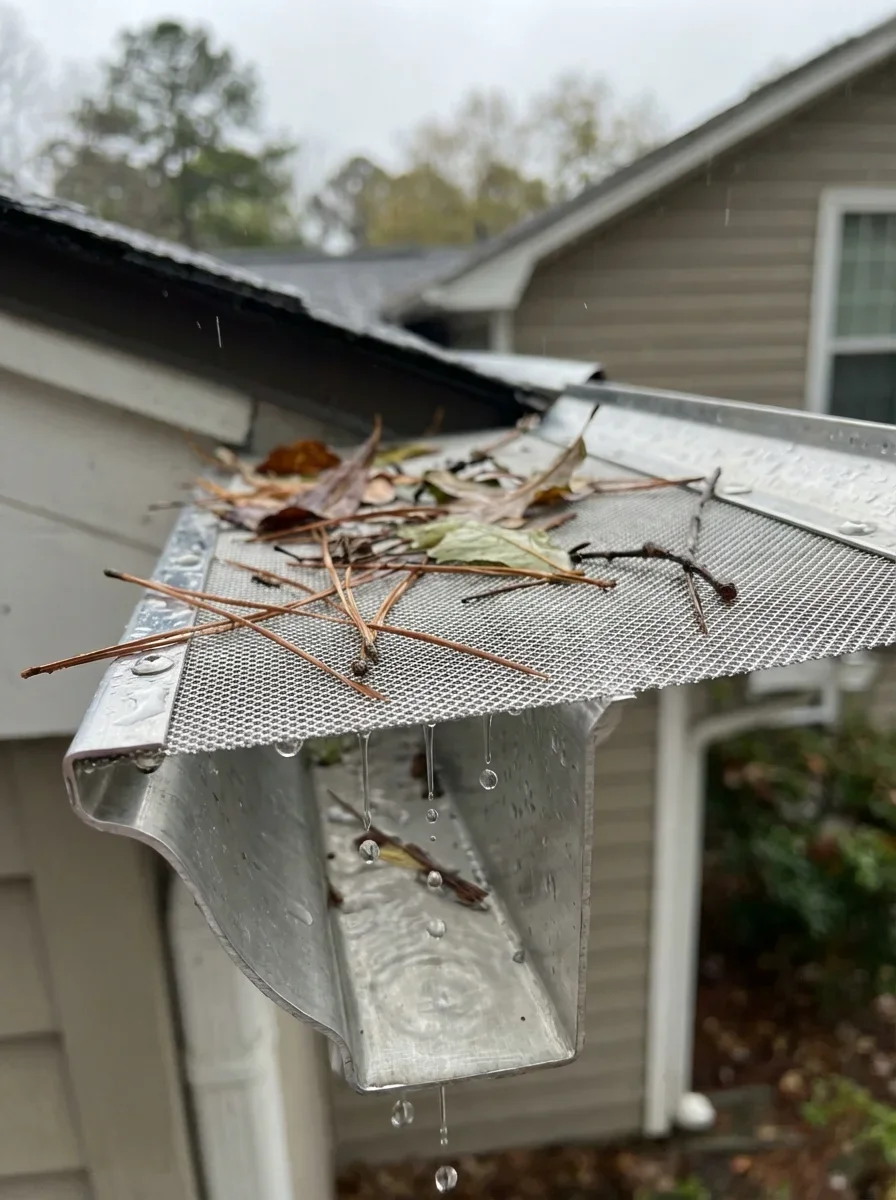
But here's the honest part: screening is a compromise. It blocks the leaves and twigs that cause the worst clogs, but it won't stop everything. Maple seeds, pine needles, and shingle grit still get through. You'll still clean your gutters—just once a year instead of three or four times.
The decision usually comes down to what's falling on your roof. Homeowners in Neenah with big oaks and maples get good results from basic screens. Properties in Appleton surrounded by pine trees? You'll probably still be up there with a hose more often than you'd like.
Know what you're buying. Gutter screening reduces maintenance—it doesn't eliminate it. If you want true set-and-forget protection, you're looking at micro-mesh or reverse curve systems that cost 3-4x more.
Screening works best as a temporary solution while you save for premium guards, or as a budget option for rental properties and shops where appearance and long-term durability matter less than upfront cost.
The worst-case scenario? Installing screens and expecting them to work like $20-per-foot guards. They won't. But if you go in with realistic expectations, they deliver solid value for the money.
What Does Gutter Screening Cost in the Fox Valley?
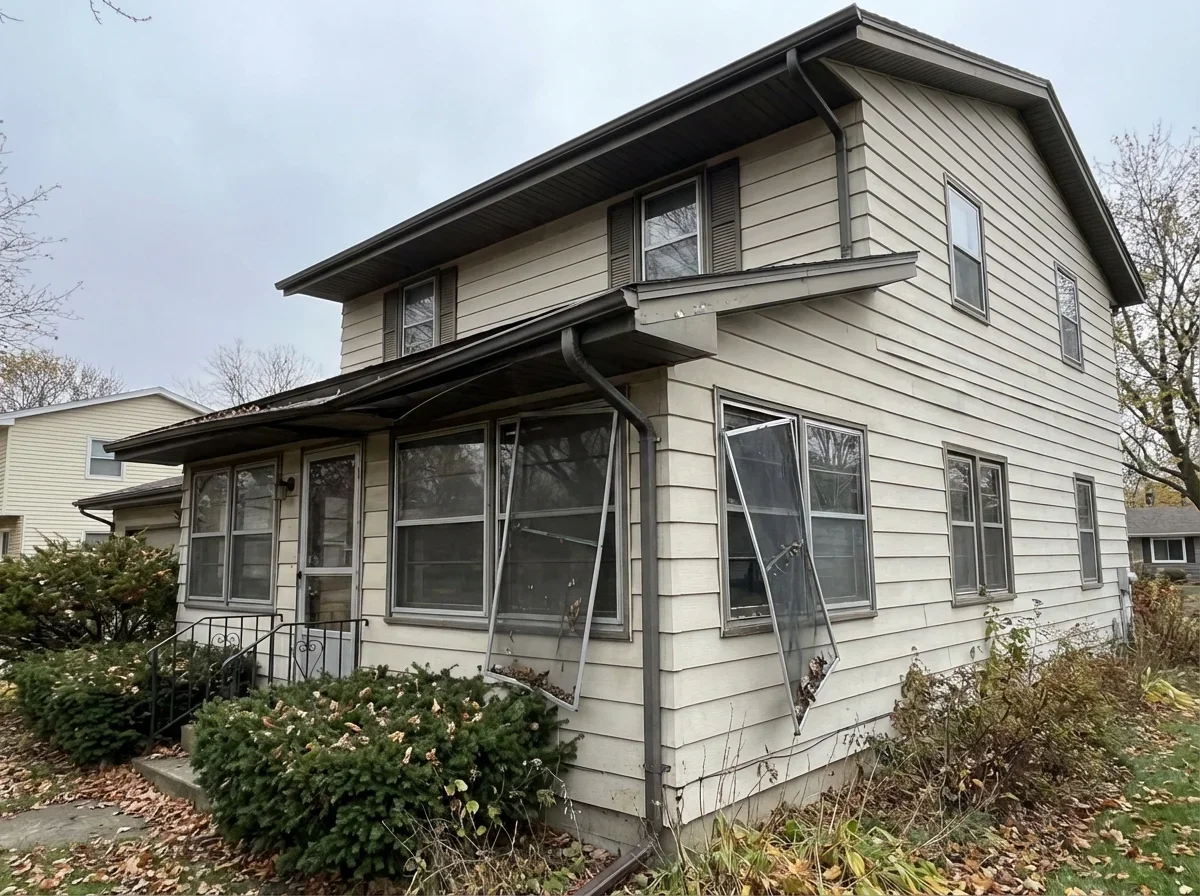
The appeal of gutter screening is simple: it’s cheap. Professional installation typically runs $3-6 per linear foot in the Appleton and Green Bay area. A typical Fox Valley home with 150-200 linear feet of gutters pays $450-1,200 total.
That’s a fraction of premium gutter guard systems:
Material and Installation Pricing
Vinyl screening ($3-4/ft): The budget option. Lightweight plastic mesh that snaps onto gutter edges. Works fine for a few years, but Wisconsin winters crack and warp vinyl. Most Oshkosh contractors see these fail within 3-5 years. Good for temporary coverage or rental properties.
Aluminum mesh screening ($4-6/ft): The middle ground. Perforated or woven aluminum that slides under your first row of shingles or screws to the gutter lip. Handles snow load and ice better than vinyl. Lasts 5-8 years before holes corrode or edges lift. This is what most Fox Valley homeowners choose.
Steel screening ($6-8/ft): Heavy-gauge steel mesh. Rare for basic screening—if you’re spending this much, most contractors in Kaukauna will steer you toward micro-mesh guards instead. More durable than aluminum but still lets small debris through.
DIY vs Professional Installation
Most Menasha contractors will install homeowner-supplied materials for $2-3 per foot if you want to split the difference.
The hidden cost with screening: you’ll likely replace it once or twice before upgrading to permanent guards. Spending $600 now and another $600 in five years costs more than investing $1,800 in micro-mesh that lasts 25 years.
The Gutter Screening Installation Process
Professional gutter screening installation takes 2-4 hours for most Fox Valley homes. It’s straightforward work—but the details matter.
Gutter Cleaning and Inspection
30-45 minScreens can’t go over existing debris. The contractor empties your gutters completely and hoses out the downspouts. This is also when they check for problems: sagging sections that need re-pitching, loose spikes, rust-through spots on older gutters. If your gutters need repair, that happens before screening goes on.
Measuring and Material Selection
15-30 minNot all screens fit all gutters. Standard 5-inch K-style gutters use different screening than 6-inch gutters or older half-round profiles. The contractor measures total linear footage and accounts for corners, valleys, and downspout drops. They confirm the installation method: snap-in/clip-on, slide-under, or screw-down attachment.
Installation and Fitting
60-90 minStarting at a corner, the contractor works section by section. Aluminum mesh typically comes in 4-foot lengths that overlap by 2-3 inches at joints. Each section gets positioned so water flows into the gutter, not over the front edge — this requires a slight backward tilt. Corners get custom cut and fitted. Downspout openings get screening that drops into the hole.
Water Testing
15-20 minGood contractors run a hose over every section, especially at corners and valleys. They’re checking for water sheeting over the front (angle is wrong) or pooling behind the screen (too much tilt). In Appleton and Oshkosh, this step also checks that the screening sits tight against shingles — gaps let wet leaves slide under and rot shingles over time.
Seasonal Timing
Install screening in late spring through early fall. Cold temperatures make some materials brittle, and you don’t want frozen gutters complicating the cleaning step. Most Fox Valley contractors won’t install screening after late October unless you pay a premium for cold-weather service.
How to Choose a Gutter Screening Contractor
Installation quality matters more than the screens themselves. A $4/ft screen installed correctly outperforms a $6/ft screen installed poorly.
Experience with Screen Types
Ask what screening material the contractor recommends and why. Good answer: "Aluminum mesh for your situation—vinyl won't last through Wisconsin winters, and your oak trees don't need micro-mesh." Red flag: "We only install one type" or pushing the most expensive option without explaining trade-offs.
Key question: "How do you handle corners and valleys?" You want to hear about cutting and overlapping material, not just snapping sections together.
Installation Method and Roof Type
Contractors should look at your roof before quoting. The installation method depends on shingle type, age, and condition.
- If your shingles are brittle or lifting, slide-under installation can damage them further
- Metal roofs need screw-down screening—there's no shingle to tuck under
- Cedar shake roofs need custom solutions that most basic screening contractors can't handle
Ask: "Will this installation method let me remove the screens easily if I want to upgrade later?"
Warranty and Service Terms
Material warranty vs. installation warranty—know the difference. Most aluminum screening comes with a 5-year manufacturer warranty against corrosion. That's separate from the contractor's warranty on installation, which should cover lifting, gaps, or improper fit for at least 1-2 years.
Get clarity on what happens when screens need removal for gutter cleaning: "Do you offer periodic cleaning service, or do I remove the screens myself?"
What to Watch Out For
- Contractors who quote over the phone without seeing your roof
- Prices under $3/ft for aluminum (usually vinyl being misrepresented)
- Promises that basic screening is "maintenance-free" (it's not)
- Pressure to decide immediately with "today-only" pricing
The right contractor positions screening honestly: it's an affordable option that reduces—not eliminates—gutter maintenance. They should mention when a property might be better served by premium guards, even if they don't install them.
Look for contractors who've worked in your specific Fox Valley area—the tree coverage in Kaukauna (heavy maple and oak) creates different needs than neighborhoods in Menasha closer to Lake Winnebago. Local experience means better material recommendations.
Frequently Asked Questions
Yes, gutter guards can create winter drainage problems in Wisconsin. When snow melts and refreezes on top of the guard surface, it can block openings and prevent water from draining into the gutter. Backed-up water then refreezes on the roof deck, feeding ice dam growth and potentially causing water infiltration into your home.
Common winter issues include:
- Surface freeze-over — snow and ice accumulate on the guard and seal drainage openings
- Ice dam acceleration — trapped water backs up onto the roof edge and refreezes, worsening dam formation
- Reduced flow — some guards inherently slow drainage, compounding freeze-thaw cycles
- Maintenance difficulty — guards make manual ice dam removal and gutter inspection harder in winter
To minimize risk, choose guards with steep pitch designs, keep gutters clear of heavy debris before winter, and consider professional snow/ice removal on roof edges.
Related Articles
Gutter Guard Installation: Complete Homeowner's Guide
Everything homeowners need to know about gutter guards: types, costs, pros and cons, and how to find qualified installers. Make an informed decision.
Read Guide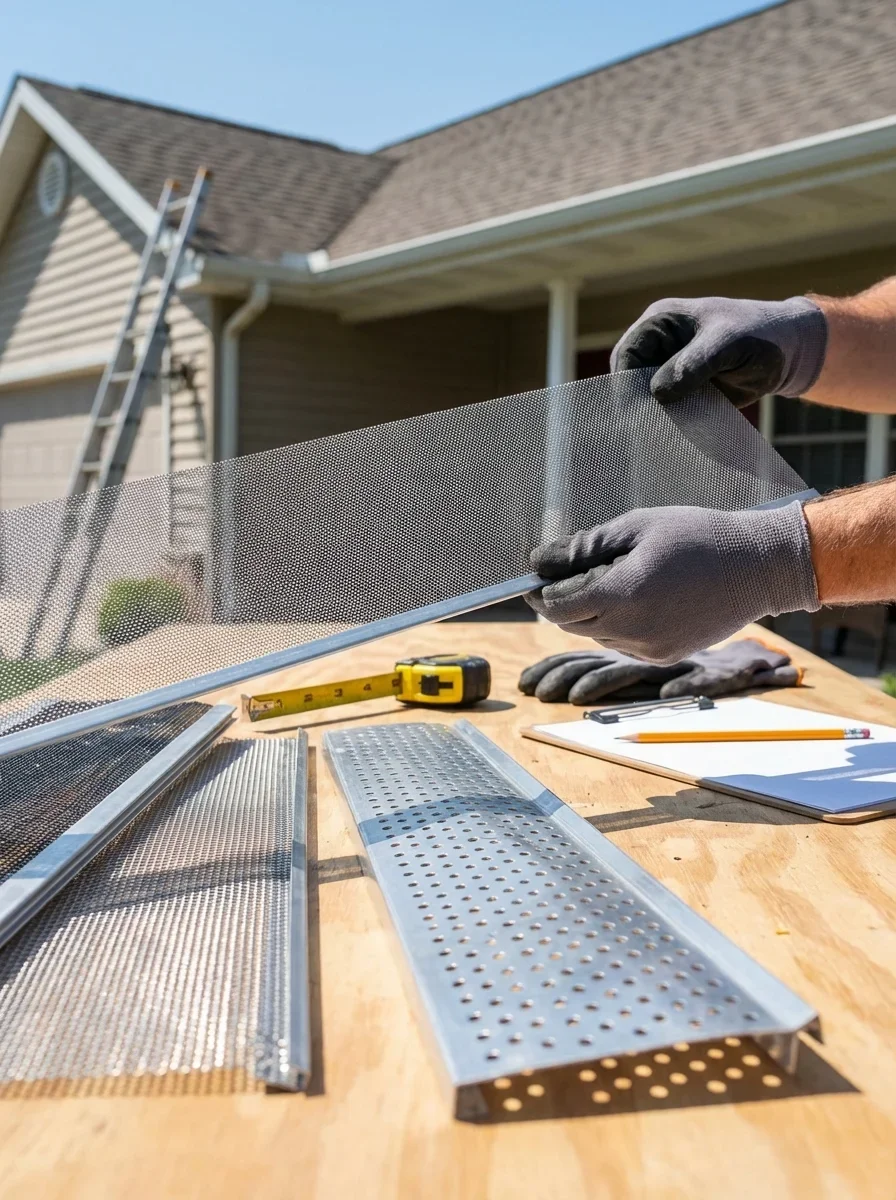
How Much Do Gutter Guards Cost? Installation Pricing Explained
Professional gutter guard installation costs $8-$30 per linear foot depending on guard type and home complexity. Compare pricing by system and get quotes from qualified contractors.
Read Cost Guide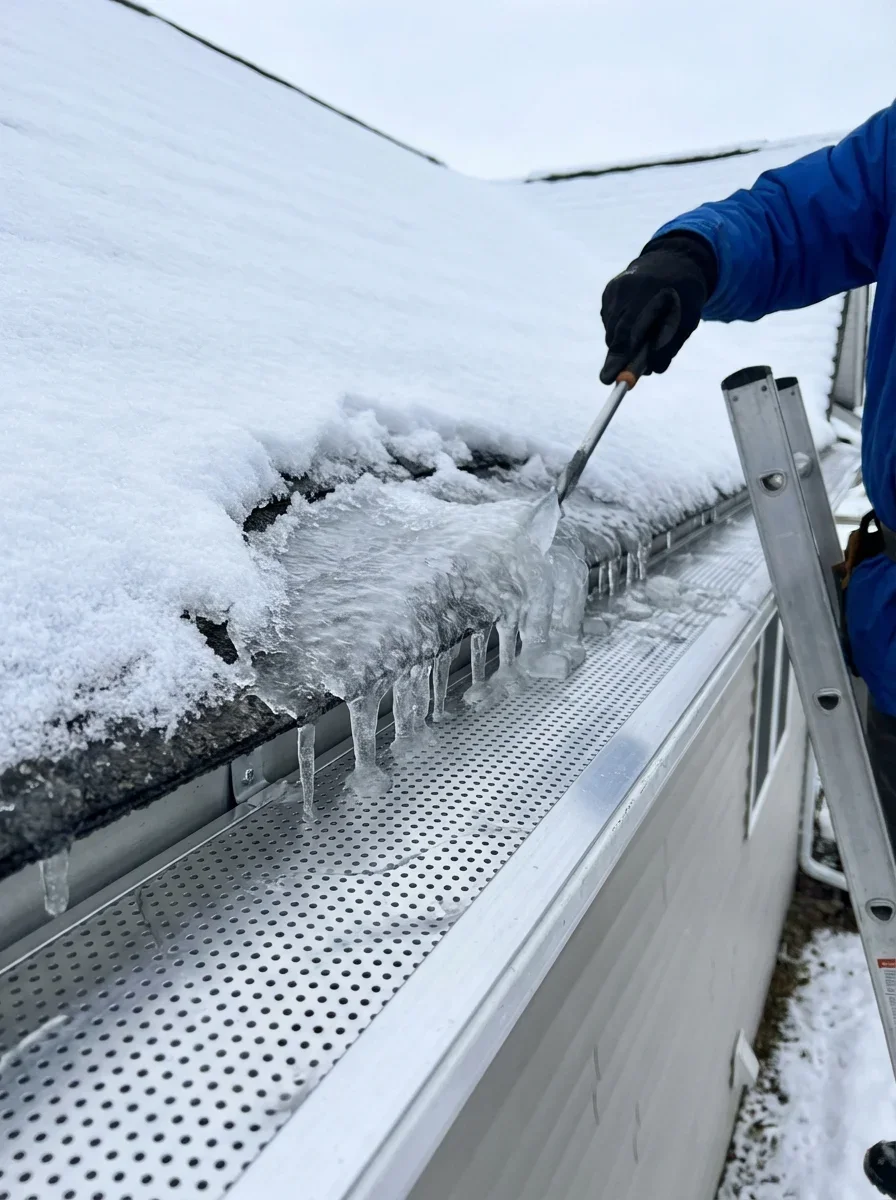
Gutter Guards and Ice Dams: Prevention, Risks & Professional Solutions
Do gutter guards prevent or cause ice dams? Learn how different guard types affect winter ice buildup and what contractors recommend for cold climates.
Read Problem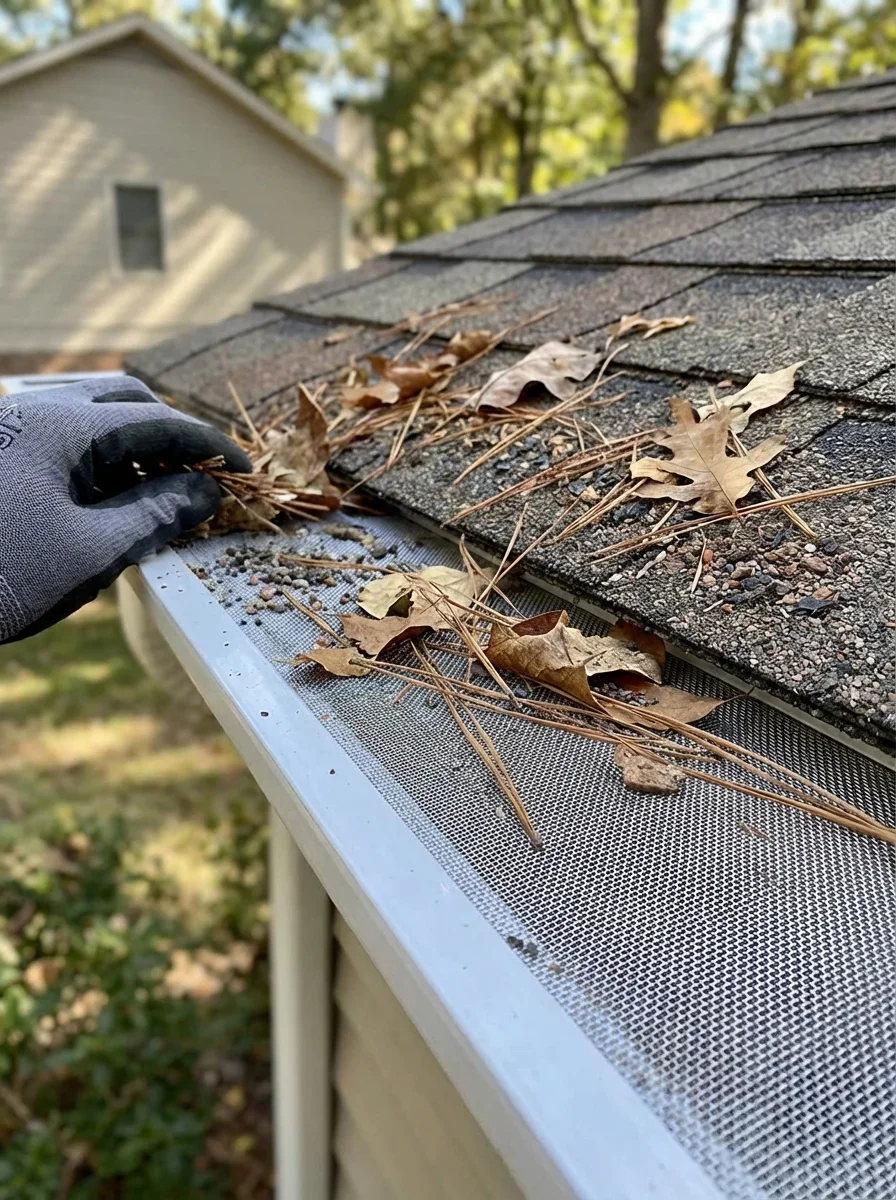
Best Gutter Guards: What Contractors Actually Recommend
Discover which gutter guard systems contractors trust most. Compare micro mesh, reverse curve, and foam systems based on real performance, not marketing hype.
Read Guide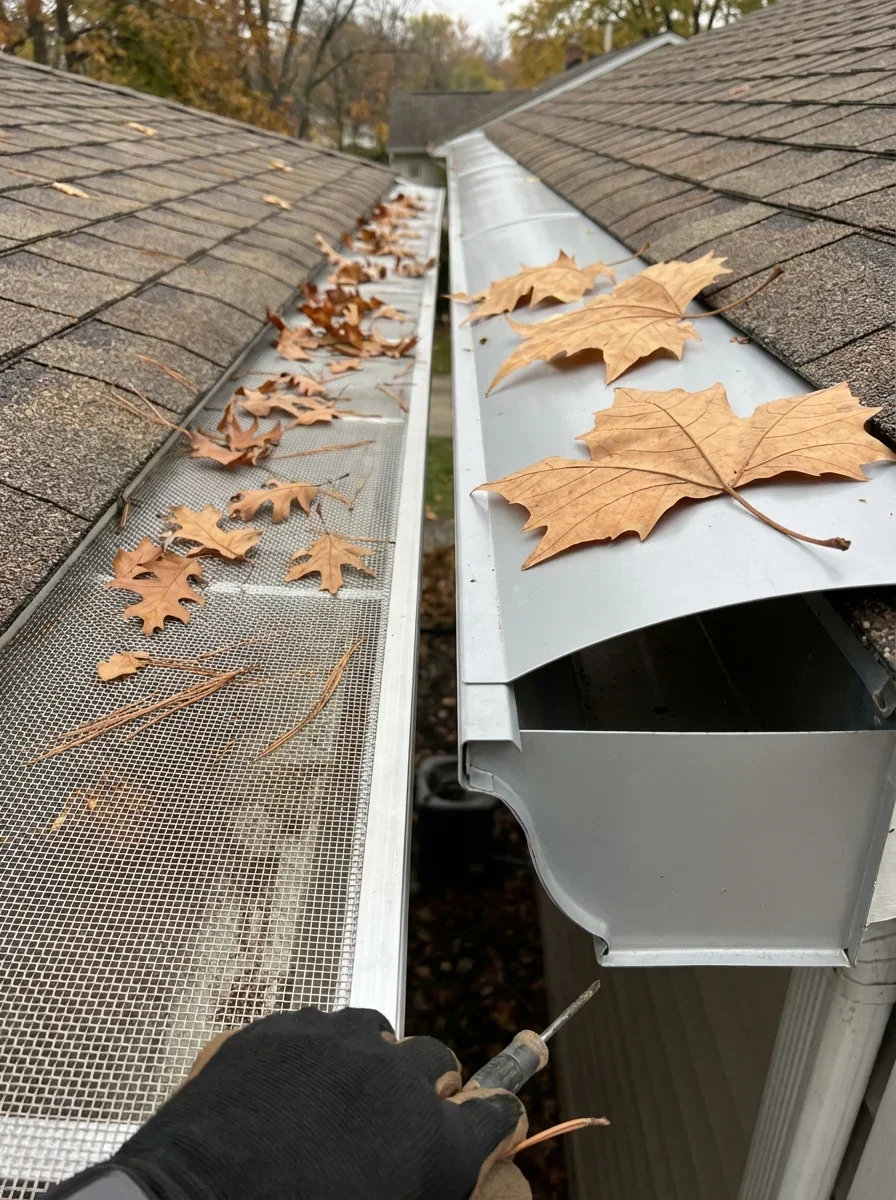
Best Gutter Guards for Leaves: What Contractors Recommend
Discover which gutter guard systems contractors trust for heavy leaf coverage and pine needles. Learn what works in real-world conditions, not marketing claims.
Read Guide