

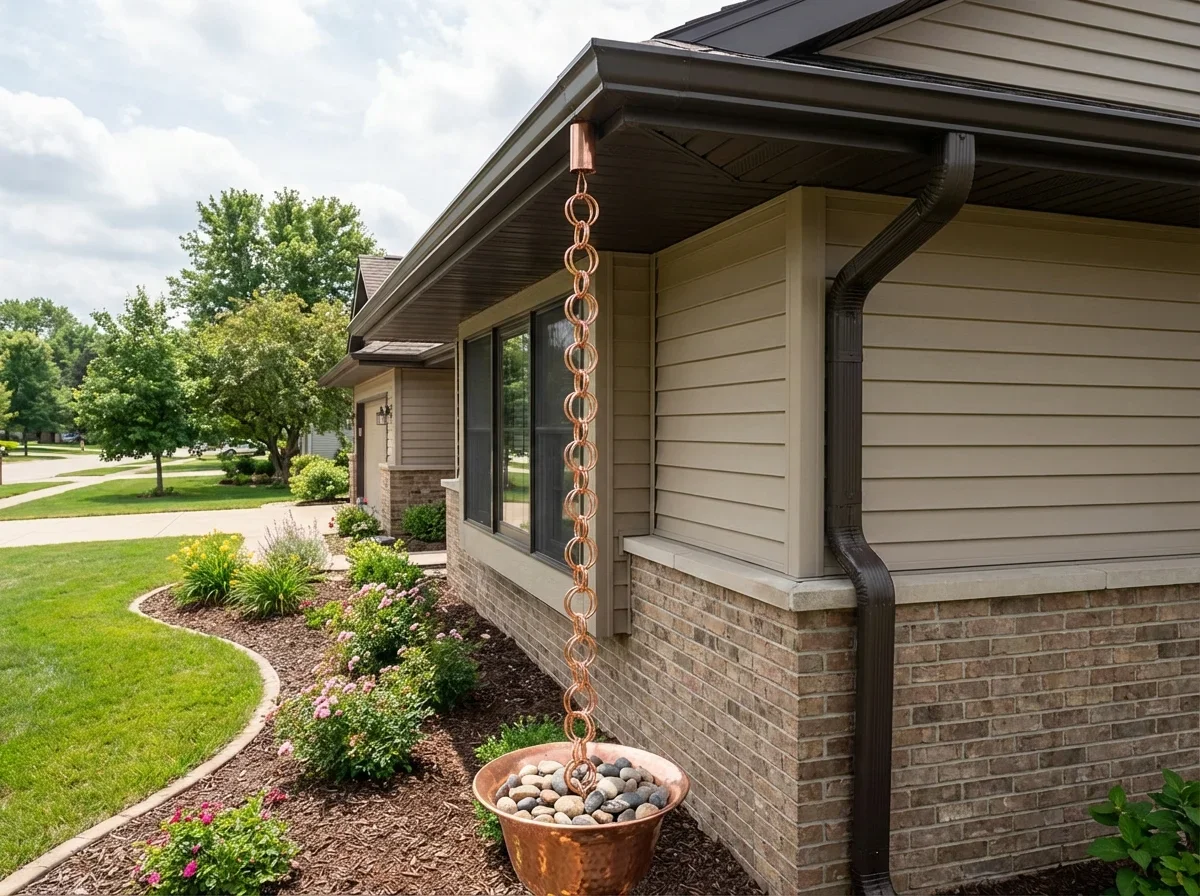
What Is Rain Chain Installation?
Rain chains—kusari doi in Japanese—are the elegant answer to the question nobody asks: why do downspouts have to be so ugly?
Instead of hiding water inside aluminum tubes, rain chains guide it down linked cups or decorative chains in full view. Every rainstorm becomes a water feature. Homeowners in Appleton and Neenah install them on front corners where guests arrive, replacing the downspout that nobody wants to look at with moving sculpture that catches light and creates gentle water sounds.
They're not just decorative. Rain chains do the same job as downspouts—channel roof runoff to the ground—but they do it visibly. Water clings to the chain or fills each cup before spilling to the next level. The result is controlled descent instead of the enclosed rush inside a downspout.
How Rain Chains Work
The physics are simple. Water follows the path of least resistance, and a vertical chain or series of cups provides that path. Gravity pulls water down, surface tension keeps it clinging to the metal, and the design controls the speed.
Cup-style chains catch and release water in stages, slowing the flow and creating more visual drama. Link-style chains let water spiral down the metal in sheets. Both work, but cup designs handle higher volumes better—important during Wisconsin's summer downpours.
The chain mounts where your downspout used to be, using a gutter adapter that fits into the existing outlet hole. At ground level, you need somewhere for that water to go: a splash block, decorative basin, or dry well that directs water away from your foundation.
Rain Chains vs Traditional Downspouts
Downspouts win on pure capacity. A 2×3-inch downspout can handle significantly more water per minute than any rain chain. For high-volume roof corners—say, where two roof planes meet on a large Green Bay colonial—you want that downspout.
Rain chains excel at moderate flow locations where aesthetics matter more than maximum drainage capacity. Front entry corners, courtyard areas, near patios where you want the sound of water. They're upgrade pieces, not whole-house replacements.
They require more maintenance. Leaves and debris that would flush through a downspout can hang up on chain links or cup edges. In Wisconsin, ice forms more readily on exposed chains than inside enclosed downspouts, creating temporary sculptures that look beautiful but stop doing their job until temperatures rise.
The ROI is real. A copper rain chain on your front corner costs $200-400 installed and becomes an immediate talking point. Realtors in Oshkosh report that distinctive exterior details create memorable first impressions—and rain chains photograph beautifully in listings.
What Does Rain Chain Installation Cost in the Fox Valley?
Plan on $150-$400 per chain including all hardware, plus installation labor if you're hiring the work out. The range depends almost entirely on material choice and length.
An 8-foot aluminum chain costs $40-$80. The same length in copper runs $120-$300. Add mounting hardware ($15-$30), a ground basin or splash block ($20-$80), and you're at the low or high end of that range before anyone picks up a tool.
Material and Style Pricing
| Material | 8-10 ft Chain Cost | Appearance | Lifespan |
|---|---|---|---|
| Aluminum | $40-$120 | Stays bright, lightweight | 10-15 years |
| Copper | $80-$300 | Develops green/brown patina | 20+ years |
| Brass | $100-$250 | Gold tone, darkens over time | 15-20 years |
| Stainless Steel | $70-$180 | Modern, industrial look | 20+ years |
Cup-style chains cost 30-50% more than link-style because they use more material and require more manufacturing. A simple link chain in aluminum starts around $40. An ornate copper cup design can hit $300 for the same length.
The ground drainage component varies wildly. A basic splash block costs $20. A decorative ceramic basin with rocks and plants might be $80-$150. If your Menasha home needs a proper dry well to handle the water—common in areas with clay soil or foundation concerns—add $200-$400 for excavation and installation of a buried drainage system.
Installation Labor Costs
DIY-friendly if you're comfortable on a ladder. Most homeowners with basic tools can mount the hardware and hang the chain in 1-2 hours. The gutter adapter screws into the outlet hole where your downspout connected, and the chain hooks to that adapter.
Professional installation runs $75-$150 per location through Fox Valley gutter contractors. That cost makes sense when you're already having other gutter work done—adding a rain chain to a gutter cleaning visit or during new gutter installation costs less than making it a standalone service call.
The labor price jumps if ground drainage work is needed. Digging out a basin, adding drainage rock, or trenching away from the foundation adds time. Contractors in Kaukauna typically charge $150-$300 for complete drainage setup if your current downspout location doesn't have adequate water management.
The Rain Chain Installation Process
The actual installation takes less time than choosing the design. Once you've picked your material and style, the physical work is straightforward.
1. Measuring and Selecting Your Chain
Measure from the gutter outlet to the ground—not the roof to ground. Rain chains mount where the downspout did, which is already 4-5 inches below the roofline. Most residential installations need 8-10 feet of chain.
Buy slightly longer than you measured. You can coil excess length into the ground basin, but too-short chains leave a gap where water splashes freely.
Consider your roof's drainage volume. Count how many squares of roof drain to that corner. Anything over 600 square feet should probably keep its downspout unless you're adding a robust ground basin that can handle surge flow during heavy rain.
2. Mounting Hardware and Gutter Preparation
Remove the existing downspout from the gutter outlet. You'll have a circular or rectangular hole where the downspout attached—usually 2-3 inches in diameter.
The rain chain gutter adapter fits into this hole. Most adapters are universal V-shaped pieces that wedge into any size outlet and hang slightly below the gutter. Some screw into place; others use tension fit with sealant around the edges.
Clean any debris from the gutter outlet before installing the adapter. Apply a bead of gutter sealant around the adapter edges to prevent leaks. The adapter needs to sit flush against the gutter bottom so water flows directly onto the chain or into the first cup.
Hang the chain from the adapter's hook or loop. The top link or cup should sit directly under the gutter outlet with no gap. Water needs to hit the chain immediately as it exits the gutter.
3. Ground Drainage Setup
This is the part that separates decorative from functional. Water still needs to go somewhere, and "directly against your foundation" isn't the answer.
Minimum setup: a splash block angled away from the house, extending at least 3 feet. This works for homes with good yard drainage and no basement seepage issues.
Better setup: a decorative catch basin at ground level—a wide ceramic pot, metal basin, or stone arrangement that gives water somewhere to land before it flows away. Fill the basin with river rock to prevent splashing and provide some drainage capacity during heavy rain.
Best setup for Wisconsin: a catch basin connected to an underground drainage line or dry well. This matters in the Fox Valley where freeze-thaw cycles can create ice dams at ground level and where spring thaw brings weeks of saturated soil. A buried drainage system takes water 10-15 feet from your foundation before releasing it.
Position the basin directly under the chain's end point. The chain should terminate 6-12 inches above the basin—low enough that wind doesn't blow water away but high enough that ice buildup in the basin doesn't climb up the chain.
How to Choose a Rain Chain Installer
Most gutter contractors in the Fox Valley handle rain chain installation, though some view it as specialty work. The installation itself is simple—what you're really paying for is drainage expertise and proper setup so you don't end up with water problems.
Ask whether they install the complete drainage system or just hang the chain and leave. Hanging the chain is easy. Ensuring water moves away from your foundation takes knowledge of your specific site conditions.
Questions to ask contractors:
- Do you recommend rain chains for this specific location, or would a downspout work better? (Honest contractors will tell you when chains aren't suitable)
- What ground drainage do you recommend given my soil type and foundation? (Should reference slope, drainage, proximity to basement walls)
- Have you installed rain chains on homes in this neighborhood? (Local experience matters—contractors learn which Fox Valley soil types need extra drainage work)
- What happens during winter—do you recommend removing chains seasonally? (Some do, some don't; you want their rationale)
- Is the chain included in your price or do I buy it separately? (Clarifies whether they're marking up materials or just charging labor)
When to DIY vs Hire a Professional
DIY makes sense if your home already has good drainage where the downspout was, you're comfortable on ladders, and you're confident working at gutter height. The hardware comes with instructions, and mounting systems are designed for homeowner installation.
Hire a professional if:
- Your current downspout location has water pooling or foundation moisture issues
- You want underground drainage installed at the same time
- Your gutters are higher than 12 feet or on a steep pitch roof
- You're installing multiple chains and want consistent drainage strategy across all locations
- You're in Appleton's older neighborhoods where foundation drainage often needs upgrading
What to Ask Gutter Contractors
Look for contractors who treat rain chains as functional components, not just accessories. They should assess your drainage needs first, recommend chain capacity based on roof area, and discuss seasonal considerations without you prompting.
Red flags: contractors who agree to any location without checking roof drainage volume, who don't mention ground drainage at all, or who can't explain why copper costs more than aluminum beyond "it looks nicer."
The Fox Valley has dozens of gutter professionals. The best ones install rain chains as part of complete gutter systems—not as one-off decorative projects. They understand that the chain is just the visible part; the drainage strategy matters more.
Most will supply chains directly or recommend where to purchase them locally. Some mark up materials modestly; others prefer you buy the chain yourself and they install it. Either approach works as long as pricing is transparent and the contractor stands behind the complete installation.
Frequently Asked Questions
Rain chains offer aesthetic appeal but have notable functional drawbacks compared to traditional downspouts. The main disadvantages include:
- Water splashback — Water falls freely rather than being directed, causing splashing onto walkways, decks, siding, and landscaping
- Potential water damage — Uncontrolled spray can damage nearby surfaces and saturate soil or foundations
- Slippery surfaces — Splashing water creates wet, hazardous conditions on patios and walkways
- Less effective drainage — Rain chains do not direct water away from the home as efficiently as downspouts
- High-wind performance — Wind can push water sideways, increasing splashing during storms
For Wisconsin homes, particularly those with basements or tight crawlspaces, traditional downspouts remain the more reliable choice.
Related Articles
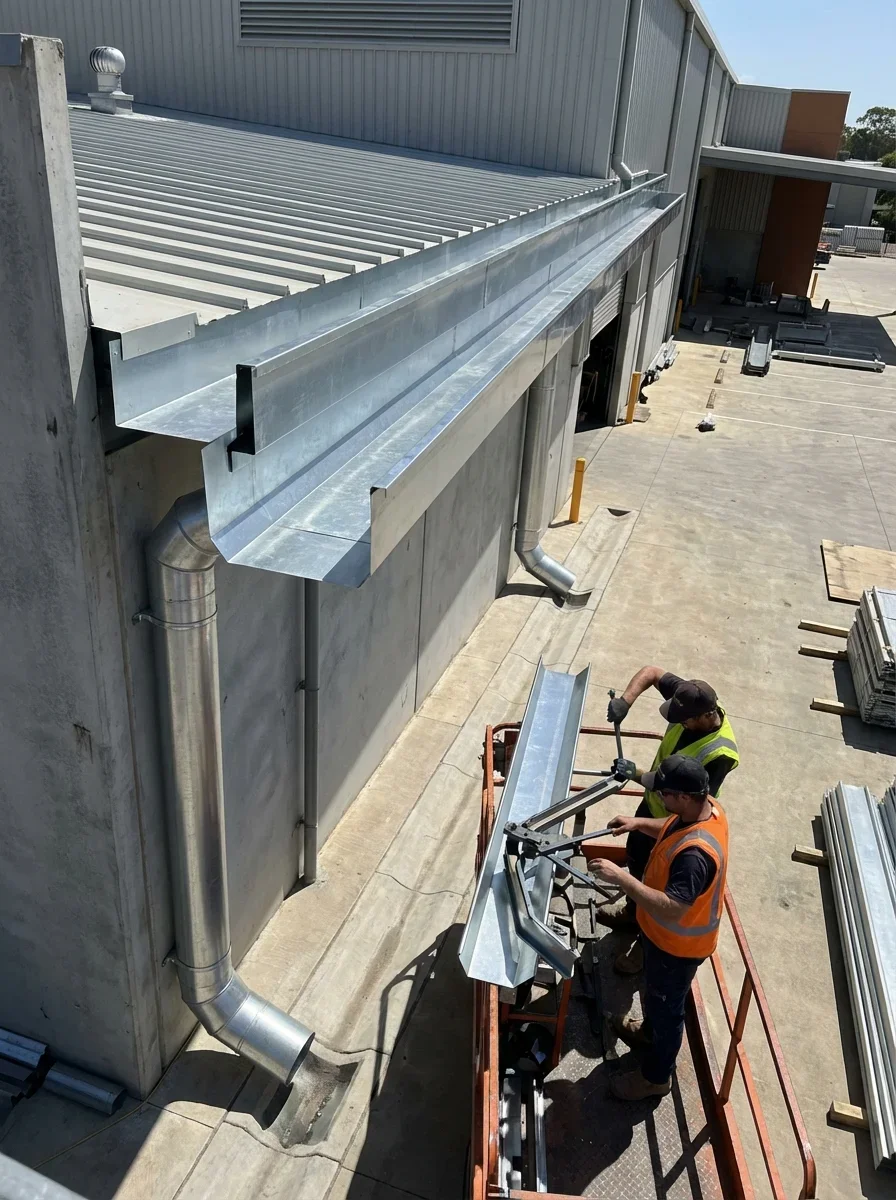
Specialty Gutter Services: Beyond Standard Installation
Explore specialty gutter services including commercial systems, premium materials, custom fabrication, and structural repair. Find contractors who handle complex gutter projects.
Read Guide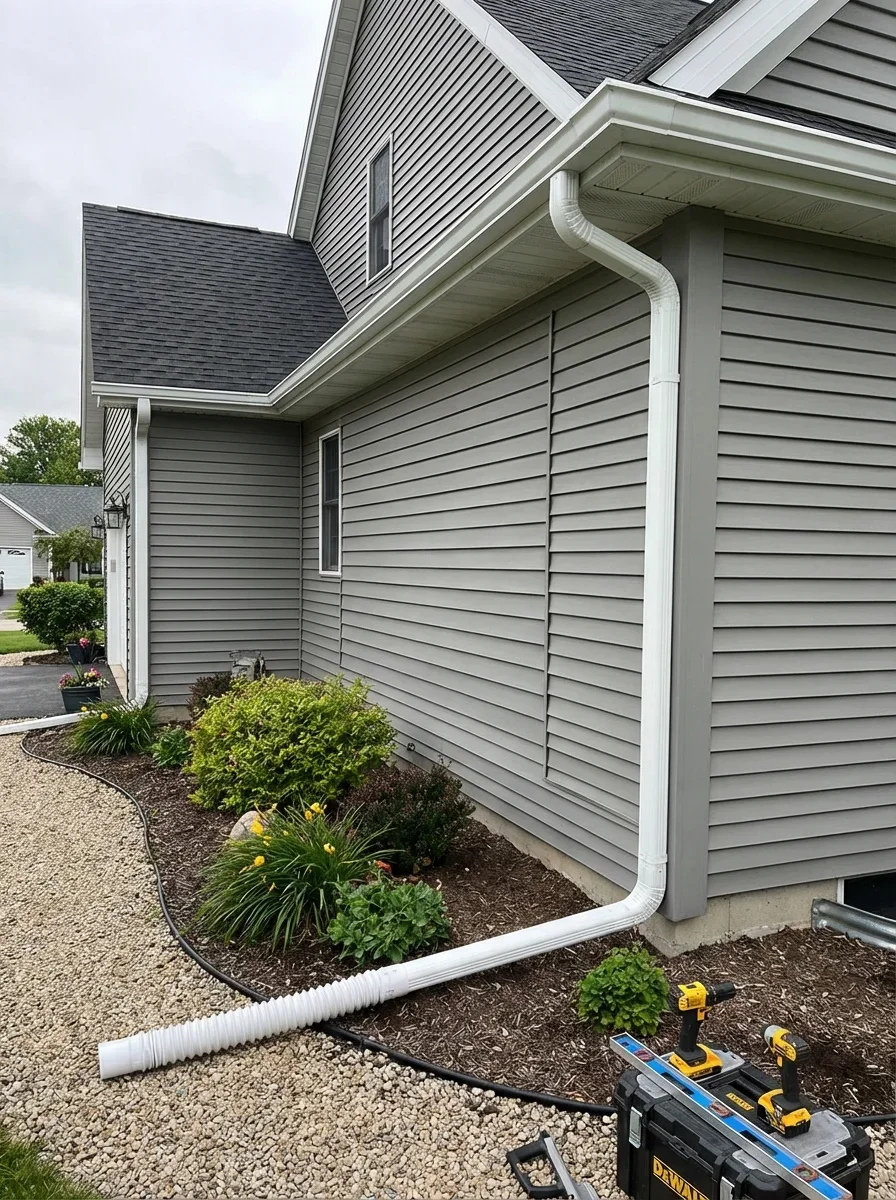
Downspout Installation & Repair: What Homeowners Need to Know
Learn what proper downspout installation involves, when to add extensions, how contractors repair damaged downspouts, and what it should cost.
Read Guide