





Signs You Need Soffit or Fascia Repair
You're not imagining it. That board under your roofline looks worse every time you pull into the driveway.
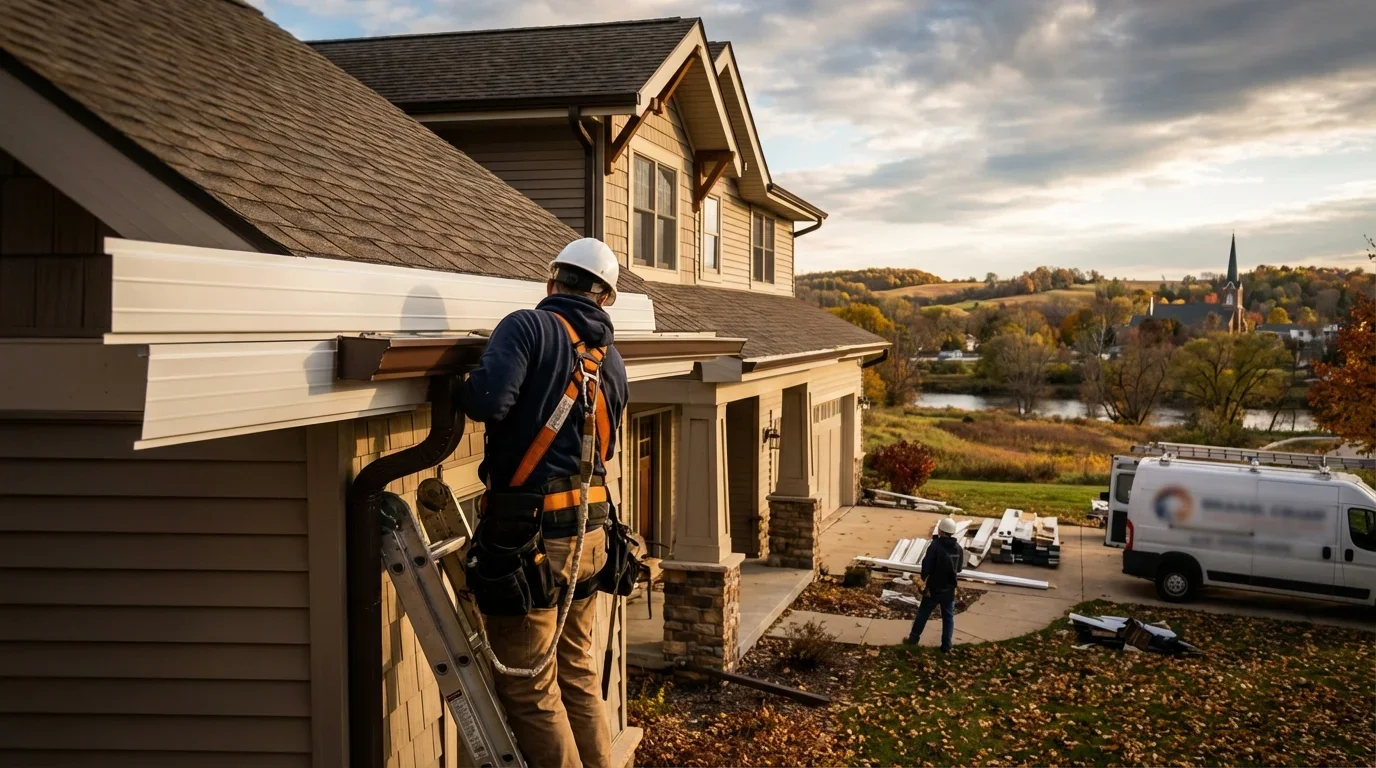
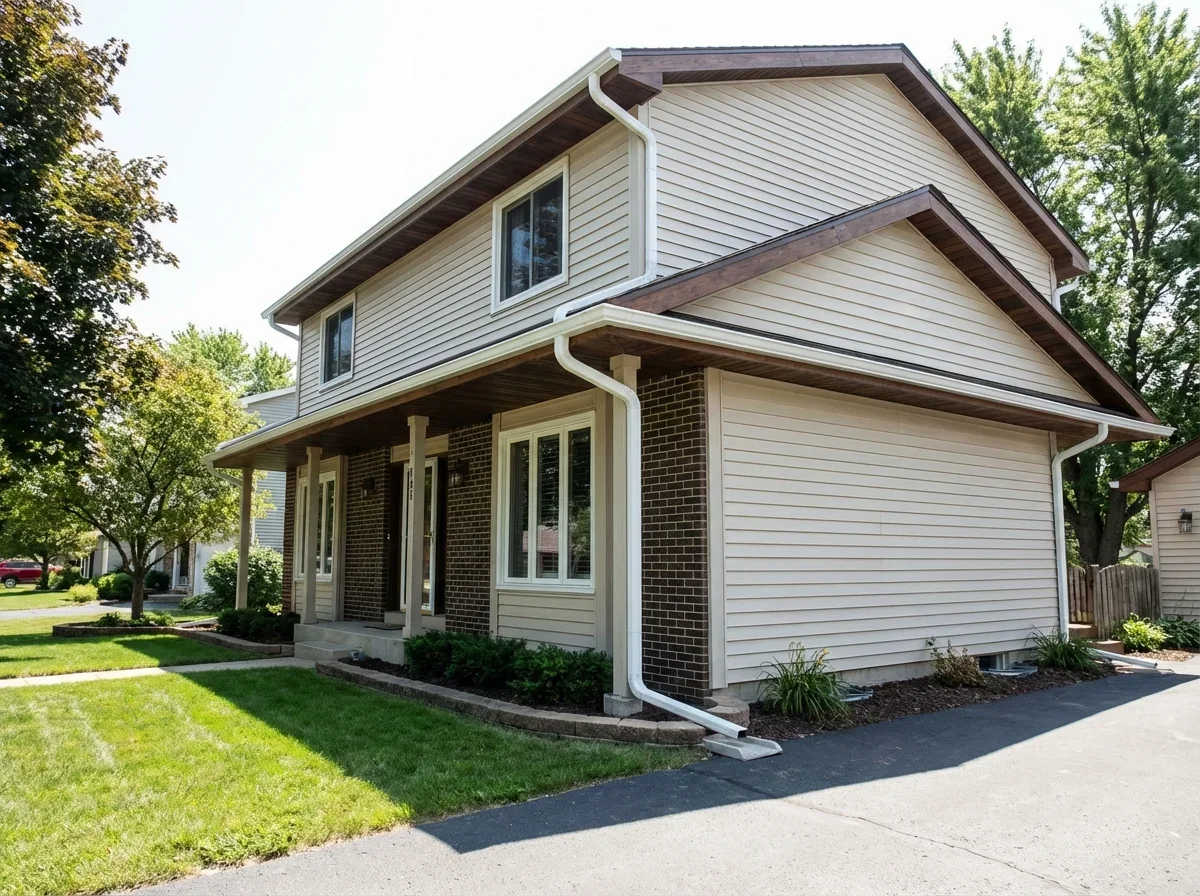
Fascia is the vertical board your gutters attach to. Soffit is the horizontal panel underneath your roof overhang. Together, they protect your roof structure from moisture and provide attic ventilation. When either fails, water finds its way into places it shouldn't go.
Visible Damage Indicators
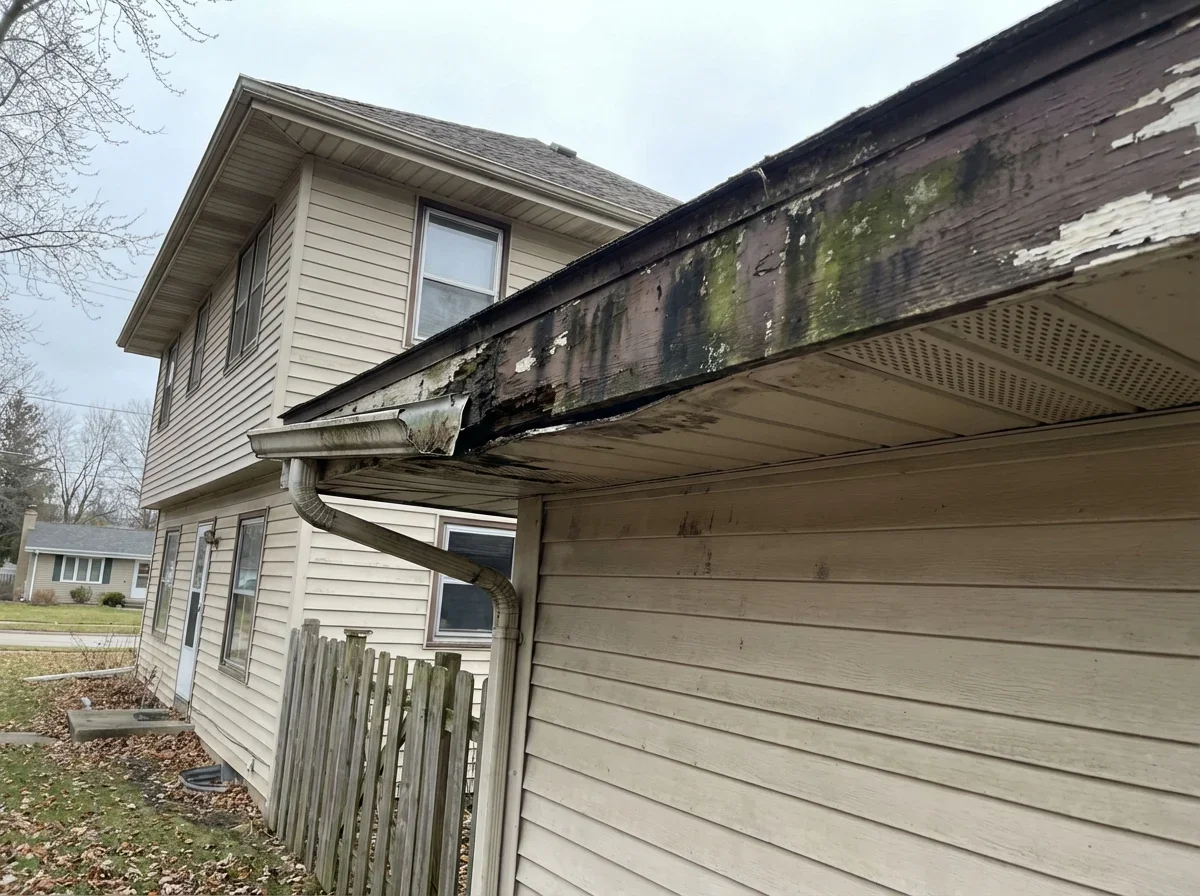
Peeling paint is the early warning. The wood underneath is absorbing moisture from failed gutter seals or ice dam backup. Press on it with your thumb — if it feels spongy, the rot has started. Homeowners in Appleton and Neenah see this pattern constantly after harsh winters with repeated freeze-thaw cycles.
Water stains on soffit panels mean moisture is trapped in your attic or leaking from above. Dark streaks or discoloration indicate active water intrusion. You might also see sagging sections where the fascia has weakened and can no longer support the gutter's weight.
Look for gaps between the fascia and your roof edge. That's where carpenter bees drill in. Squirrels widen those openings to access your attic. One Green Bay homeowner ignored a small gap for two seasons — the repair bill jumped from $800 to $3,200 after squirrels damaged insulation and chewed through wiring.
Hidden Problems to Check
Walk around your house after a heavy rain. If water pours behind your gutters instead of through the downspouts, your fascia has pulled away from the house. The gutter brackets are no longer anchored to solid wood.
Check your attic for daylight coming through the soffit vents. You should see screened ventilation openings — not holes. Damaged soffit compromises attic airflow, leading to moisture buildup and ice dam formation in winter.
Gutter sag is a fascia problem, not a gutter problem. The wood has rotted at the mounting points. Adding more hangers won't fix it — you're just screwing into deteriorated material. Contractors in Oshkosh and Kaukauna see this mistake repeatedly: homeowners reinforce sagging gutters only to have the entire fascia board fail within a year.
Sound familiar? Your gutters pulled away from the house during the last ice storm. You reattached them with longer screws. They're sagging again, and now water stains are spreading across your soffit.
What happens if you wait? The rot spreads horizontally along the fascia and vertically into your roof decking. A $600 fascia repair becomes a $4,000 roof edge reconstruction. Water that pools behind failed fascia runs down your siding into the wall cavity, causing interior damage you won't see until mold appears or drywall softens.
What Does Soffit and Fascia Repair Cost in the Fox Valley?
Fascia and soffit repairs in the Fox Valley range from $8 to $15 per linear foot for material and labor. Your actual cost depends on material choice, extent of rot, and whether you’re repairing sections or replacing entire runs.
Most homeowners spend $1,500 to $4,500 for comprehensive fascia and soffit work that includes removing damaged sections, replacing deteriorated wood, and reattaching gutters properly.
Repair vs. Replacement Pricing
Single Board Fascia Repair
MinorLocalized damage, surrounding material is sound. Half day.
Fascia Replacement (One Side)
ModerateFull run replacement on one side of house. 1 day.
Full Home Fascia Replacement
SignificantComplete perimeter fascia replacement. 2-3 days.
Soffit Repair (10-20 Panels)
MinorReplace damaged soffit panels, check framing. 1 day.
Complete Soffit Replacement
MajorFull home soffit replacement with vented panels. 2-3 days.
Material Cost Breakdown
Aluminum wrapped wood fascia combines wood’s structural strength with aluminum’s weather resistance. It’s the most common upgrade in Appleton and Green Bay. Expect $8 to $12 per linear foot installed. The aluminum cap protects the wood from moisture while maintaining a clean appearance.
Vinyl works well for soffit but many contractors avoid it for fascia. It lacks the rigidity needed to properly support gutters. Cold snaps below zero can make vinyl brittle — not ideal for load-bearing applications.
Wood fascia still exists on older homes, but replacement almost always upgrades to aluminum-wrapped or solid aluminum. The labor cost to install wood is identical, but you’ll repaint every few years and replace it again in 10 to 15 years. The math favors aluminum.
Add 15% to 25% if your contractor discovers rotten roof decking or rafter tails during fascia removal. Water damage rarely stays contained to just the fascia board. Budget a contingency for structural repairs — better to plan for it than scramble when they uncover the extent of rot.
The Soffit and Fascia Repair Process
Professional soffit and fascia repair takes two to four days depending on scope and weather. Here's what happens from inspection to final gutter reattachment.
Inspection and Damage Assessment
Your contractor starts by checking the full perimeter of your home, not just the obvious damage. They're looking for hidden rot, structural issues at the roof connection, and compromised rafter tails. Good contractors probe the wood with an awl or screwdriver to find soft spots that aren't visible.
They measure the linear footage needed and identify where rot has spread beyond the fascia into roof framing. This determines whether you need simple board replacement or structural repairs. Expect the inspection to reveal more damage than you initially spotted — fascia rot works from the inside out.
Your contractor provides a written estimate that separates fascia work, soffit work, and gutter reinstallation. They should note material specifications — "aluminum-wrapped 1x6 fascia" or "vented vinyl soffit panels" — not just generic line items.
Removal and Structural Prep
The crew removes your gutters first, labeling each section for reinstallation. They take photos of how downspouts connect — you'd be surprised how often this step prevents mistakes during reassembly.
They pry off the damaged fascia boards, exposing the rafter tails (the ends of your roof joists). If those tail ends are rotted, they sister on new lumber to create solid mounting surfaces. Skipping this step is how hack jobs fail — you can't attach new fascia to rotten wood and expect it to hold gutters.
For soffit work, they remove the damaged panels and check the underlying framing. Proper soffit installation requires solid backing. If the original builders skipped this step, your contractor adds it during the repair.
The cleanup matters. Old wood, nails, and debris should be contained and hauled away daily. This work happens above your landscaping and entry areas — you want contractors who protect your property.
Installation and Gutter Reattachment
New fascia boards go up with corrosion-resistant fasteners spaced every 16 inches into solid rafter tails. If you chose aluminum-wrapped fascia, they bend the aluminum cap over the board edges for complete moisture protection. Seams get sealed with caulk rated for exterior use in cold climates.
Soffit panels install with hidden fasteners that allow for expansion and contraction. Wisconsin's temperature swings — from below zero to 90+ — require proper spacing. Panels installed too tight will buckle in summer heat.
Vented soffit provides your attic with intake ventilation. Your contractor calculates the required vent area based on attic square footage and positions vented panels accordingly. This isn't cosmetic — proper ventilation prevents ice dams and extends your roof's lifespan.
Gutters go back up last, attached with fascia brackets or hidden hangers that screw into the new fascia boards. Good contractors pitch the gutters correctly (1/4 inch drop per 10 feet toward downspouts) and test water flow before calling the job complete. They should run water through the system while you watch.
Most Fox Valley contractors schedule this work between late spring and early fall. Cold temperatures make sealants and caulks less effective. Rain delays are common but expected — exterior work depends on dry conditions for proper adhesion.
How to Choose a Soffit and Fascia Contractor
This is elevated work with structural implications. The contractor you choose needs specific skills beyond basic carpentry — gutter system knowledge, proper flashing techniques, and experience with Wisconsin's weather challenges.
Essential Qualifications and Insurance
Verify general liability insurance that covers property damage from falls or dropped materials. Ask for a certificate of insurance with current dates. Legitimate contractors provide this within 24 hours. If they hesitate or make excuses, move on.
Look for contractors who specialize in gutter systems or exterior carpentry, not general handymen who do everything. Fascia and soffit work directly impacts gutter performance and roof protection — you want someone who understands how these systems interact.
Ask these specific questions:
- How do you assess rafter tail damage before quoting the job?
- What's your process if you find roof decking rot during fascia removal?
- Do you sister new lumber to damaged rafter tails or just cover them with new fascia?
- How do you ensure proper soffit ventilation for attic airflow?
- What's the warranty on materials and labor?
Red flags: contractors who quote over the phone without inspecting your home, crews who show up without insurance documentation, anyone who pushes you to choose vinyl fascia over aluminum-wrapped or solid aluminum, and pricing that's significantly below other estimates (likely means they're skipping structural repairs or using substandard materials).
Material Options and Warranties
The material your contractor recommends tells you about their experience. Aluminum-wrapped or solid aluminum fascia is standard for Wisconsin homes — anything else requires justification. Vinyl soffit is fine. Vinyl fascia is not.
Manufacturer warranties on aluminum fascia typically cover 20 to 30 years against peeling, cracking, and corrosion. Get this in writing. Labor warranties should cover at least two years — that's how long it takes for improper installation to reveal itself through gutter detachment or water intrusion.
Ask to see examples of completed jobs in your area. Good contractors photograph their work and can show you homes in Appleton, Neenah, or Oshkosh with fascia systems they installed years ago. Drive by those houses and look at the condition.
Check how they handle gutter reattachment. Hidden hangers that screw directly into fascia boards provide superior support compared to spike-and-ferrule systems. Your contractor should upgrade your gutter mounting method if the old system contributed to fascia failure.
The Fox Valley has qualified contractors who understand how ice dams, freeze-thaw cycles, and heavy snow loads impact fascia and soffit systems. The directory listings for your area include professionals with verified credentials and local experience. Compare at least three contractors who specialize in exterior carpentry or gutter-related work — not generalists who dabble in everything.
Frequently Asked Questions
Soffit and fascia replacement costs vary by material, home size, and local labor rates. In Wisconsin, expect the following ranges:
| Material | Cost per Linear Foot | Total for 200 LF (avg home) | Notes |
|---|---|---|---|
| Aluminum | $8–$15 | $1,600–$3,000 | Most popular; durable; low maintenance |
| Vinyl | $7–$12 | $1,400–$2,400 | Affordable; not paint-able; moderate lifespan |
| Steel | $10–$18 | $2,000–$3,600 | Heavy-duty; corrosion-prone in Wisconsin winters |
| Wood | $12–$20 | $2,400–$4,000 | Classic look; requires staining/painting; prone to rot |
| Composite | $15–$25 | $3,000–$5,000 | Premium; mimics wood; very durable |
Labor: typically $50–$150/hour; most jobs take 1–3 days. Total installed cost: $2,500–$6,500+ depending on size, material, and complexity. Get 3 quotes from local contractors (roofers, carpenters, or gutter companies).
Related Articles
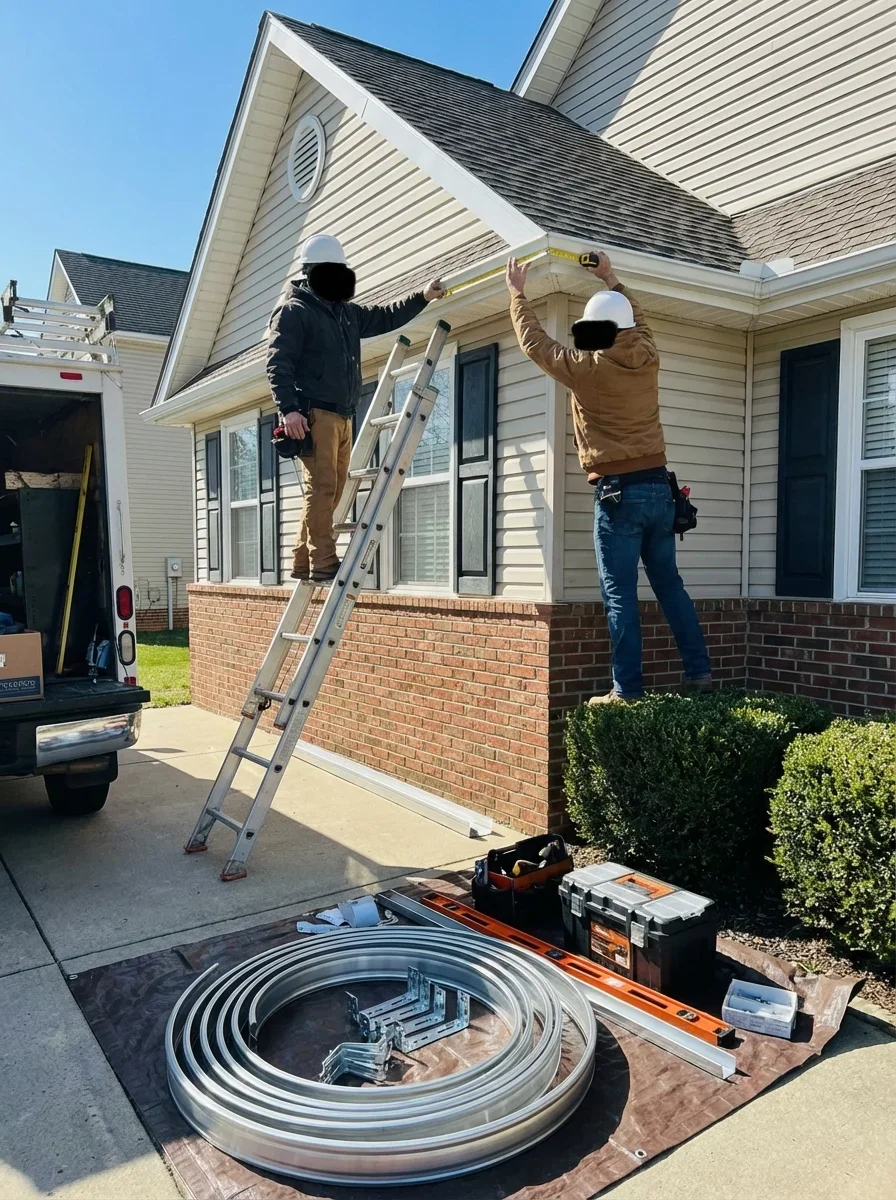
Gutter Installation Services: What to Expect & How to Hire
Learn what professional gutter installation involves, how contractors determine the right system for your home, and what quality installation should cost.
Read Guide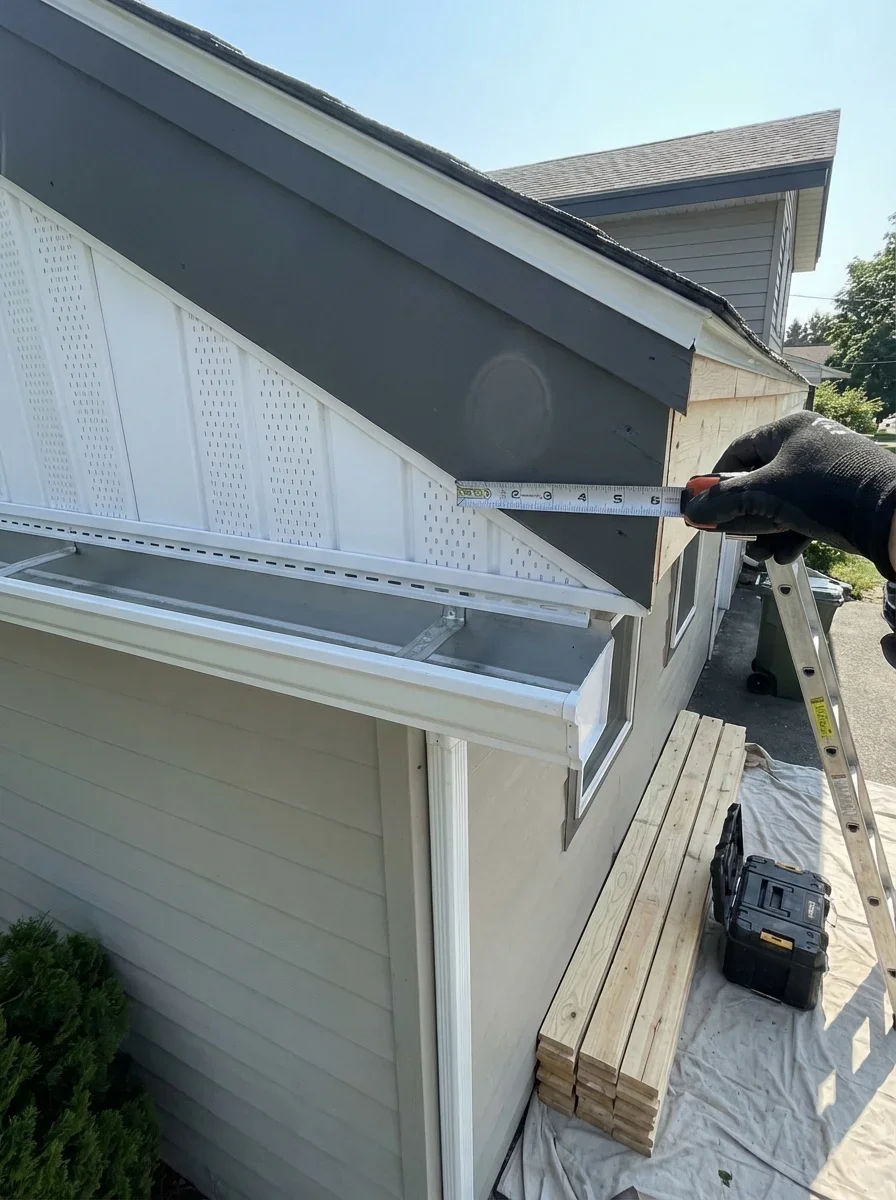
Soffit and Fascia Repair: Protecting Your Home's Gutter System
Learn what soffit and fascia repair involves, when professionals recommend replacement vs repair, and how to choose qualified contractors in the Fox Valley area.
Read Guide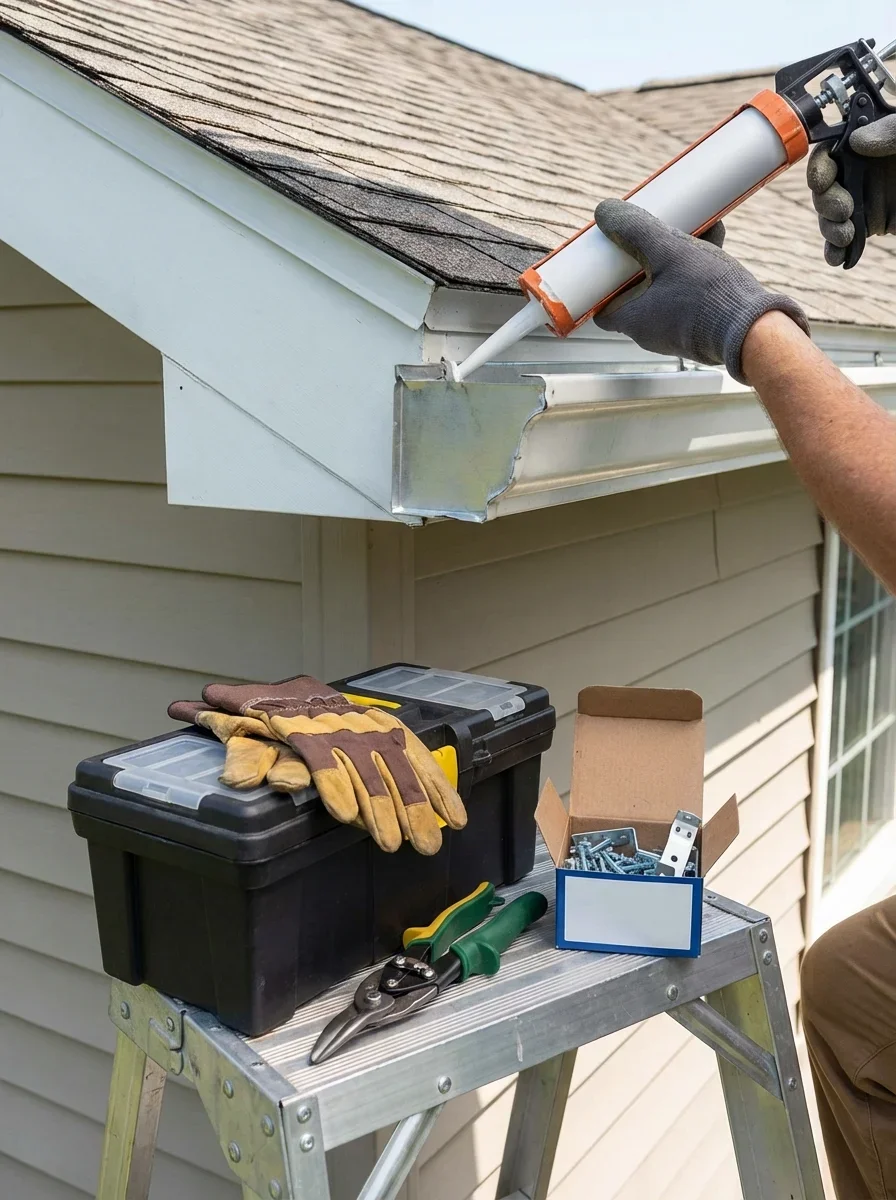
Gutter Repair Services: When to Repair vs. Replace
Need gutter repair? Learn when to repair vs. replace, what professional repairs cost, and how to find qualified contractors for small jobs and full-service work.
Read Guide